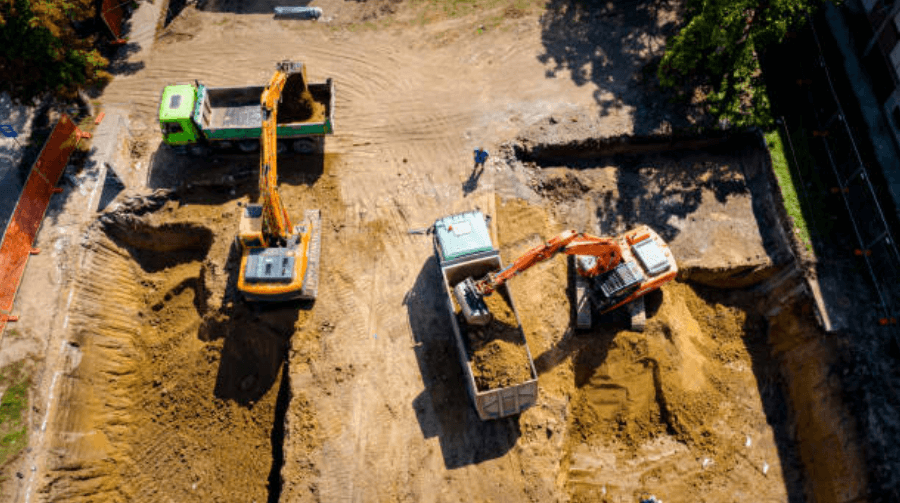

Excavation is one of the most important stages of any construction or landscaping project. Whether you are preparing land for a new home, installing drainage systems, creating foundations, or improving an outdoor area, proper ground preparation helps ensure the project starts on a stable foundation. Before machinery arrives on-site, it is essential to understand the ground conditions, project requirements, safety considerations, and excavation methods involved.
Excavation in Campbelltown plays an important role in preparing construction sites, ensuring proper ground conditions, and supporting the successful completion of building and landscaping projects. Careful planning and site preparation help maintain safety, improve efficiency, and minimise potential delays.Assessing site conditions, estimating costs and selecting suitable excavation methods can help minimise delays, maintain safety standards and ensure efficient project execution. Proper preparation and professional excavation practices also contribute to achieving the desired construction outcomes.
What Is Excavation and Why Is It Important?
Excavation involves removing soil, rock, vegetation, and other materials from the ground to prepare an area for construction or landscaping. It creates the space and ground conditions required for various building activities.
Preparing Land for Construction
Before construction begins, the site must be cleared and prepared according to the building design. Excavation helps create the required ground levels, remove unsuitable materials, and establish appropriate areas for foundations.
Without proper excavation, construction may face problems such as uneven surfaces, unstable ground, and inadequate drainage.
Supporting Structural Stability
Foundations depend on suitable ground conditions to distribute building loads safely. Excavation allows contractors to reach the required depth and prepare the ground according to engineering specifications.
Correct excavation is therefore an important step in supporting the long-term stability of residential and commercial structures.
Different Types of Excavation Services
Different construction projects require different types of excavation techniques. Understanding the available methods can help you identify which approach is suitable for your requirements.
Residential Excavation
Residential excavation is commonly required for new home construction, extensions, garages, swimming pools, and outdoor improvements.
The process may involve removing soil, preparing building pads, digging foundation trenches, and adjusting ground levels.
Commercial Excavation
Commercial excavation involves preparing larger sites for offices, retail buildings, industrial facilities, and other developments.
These projects may require more extensive machinery, detailed site planning, and coordination with engineers and other construction professionals.
Trench Excavation
Trench excavation involves creating narrow, elongated spaces in the ground for underground services and infrastructure.
Common applications include:
- Water supply pipes.
- Electrical conduits.
- Drainage systems.
- Sewer connections.
- Communication cables.
Accurate trench excavation helps ensure underground services are installed at the correct depth and position.
Bulk Excavation
Bulk excavation involves removing large quantities of soil or other materials from a construction site.
It is commonly used for major developments, building platforms, basements, and large landscaping projects.
Landscaping Excavation
Landscaping excavation helps reshape outdoor areas according to a planned design. It may involve creating garden beds, levelling lawns, preparing retaining wall areas, and establishing spaces for pathways or outdoor features.
Assessing Ground and Soil Conditions Before Excavation
Understanding the existing ground conditions is essential for planning a safe and effective excavation project. Soil types can vary across Campbelltown and surrounding areas, making site assessment particularly important.
Identifying Soil Types
Different soil types respond differently to excavation activities.
- Clay soil: Can become difficult to excavate when dry and sticky when wet.
- Sandy soil: May require additional attention because loose material can shift or collapse.
- Rocky ground: Can require specialised equipment and additional excavation time.
- Mixed soil: May contain different materials that require adjustments to the excavation method.
Identifying the soil type helps determine the machinery, excavation depth, and safety precautions required.
Checking Ground Stability
Ground stability is important when digging trenches, foundations, or deeper excavations. Loose soil, groundwater, and nearby structures can influence the safety of excavation work.
A suitable geotechnical assessment can provide information about soil strength, groundwater conditions, and potential ground movement risks.
Choosing the Right Excavation Equipment
The machinery used during excavation can influence productivity, accuracy, and project costs. The equipment should match the size, location, and complexity of the work.
Excavators
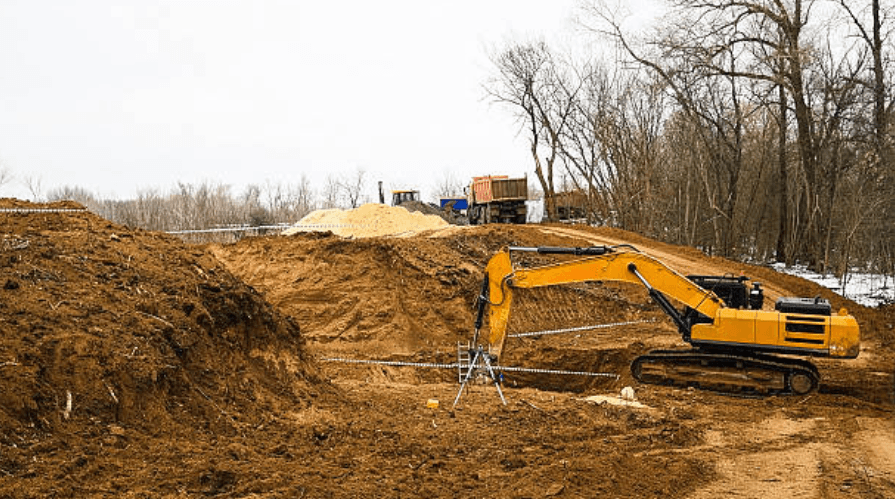
Excavators are widely used for digging, removing soil, trenching, and preparing construction sites. Different sizes are available to suit various site conditions.
Larger excavators are generally suitable for extensive projects, while compact models can be useful in residential areas with limited working space.
Bobcats and Skid Steer Loaders
Compact loaders are useful for moving soil, clearing debris, levelling surfaces, and working in restricted areas.
Their manoeuvrability makes them practical for smaller construction and landscaping projects.
Tipper Trucks
Tipper trucks are commonly used to transport excavated soil, rocks, and construction waste away from the site.
Choosing suitable transport capacity helps improve material removal efficiency and keeps the work area organised.
Selecting Equipment According to Site Access
Before selecting machinery, consider entrance widths, overhead obstructions, nearby buildings, fences, and available working space.
Using appropriately sized equipment can reduce the risk of property damage and improve overall site efficiency.
Understanding the Excavation Process
A well-organised excavation project follows several stages to ensure that the ground is prepared correctly.
Step 1: Initial Site Inspection
The first stage involves examining the property and understanding the project requirements. Contractors assess ground conditions, site boundaries, access points, existing structures, and potential obstacles.
Step 2: Site Clearing
Unwanted vegetation, rubbish, loose materials, and other obstructions are removed from the work area.
This creates sufficient space for machinery and allows excavation activities to proceed safely.
Step 3: Marking Excavation Areas
The excavation boundaries and required depths are identified according to the construction plans.
Accurate marking helps prevent unnecessary digging and ensures the work follows the intended design.
Step 4: Carrying Out Excavation
Suitable machinery is used to remove soil and other materials. The excavation work should follow the specified dimensions, depths, and ground levels.
Step 5: Final Levelling and Inspection
After excavation, the ground is checked to confirm that it meets the required specifications. Additional trimming, levelling, or soil removal may be necessary before the next construction stage begins.
Important Safety Considerations During Excavation
Excavation work involves potential hazards that must be managed carefully. Proper safety planning protects workers, nearby properties, pedestrians, and underground infrastructure.
Identify Underground Services
Before digging, underground utilities such as water pipes, electrical cables, gas lines, and communication services must be identified.
Damaging underground infrastructure can create serious safety risks, service interruptions, and expensive repairs.
Prevent Trench and Ground Collapse
Excavated trenches can become unstable, particularly in loose or waterlogged soil.
Appropriate protective systems, including trench support or battering, should be used where required. Workers should not enter unsafe excavations.
Manage Nearby Structures
Excavation close to existing buildings, fences, roads, and retaining walls requires careful planning.
Removing soil near structural elements can affect their stability. Engineering advice may be necessary when excavation could influence nearby foundations.
Maintain a Safe Work Area
The excavation area should have appropriate barriers, warning signs, and controlled access.
Machinery operators and other workers should follow established safety procedures throughout the project.
Factors That Influence Excavation Costs in Campbelltown
Excavation costs can vary considerably depending on the nature of the project. Understanding the main pricing factors can help you prepare a realistic budget.
Project Size and Excavation Depth
Larger excavation areas generally require more labour, machinery time, and material removal. Deeper excavations may also involve additional safety measures and specialised equipment.
Soil and Ground Conditions
Soft soil may be relatively straightforward to remove, while rocky ground or heavily compacted materials can increase excavation time and equipment requirements.
Unexpected underground obstructions may also affect the final cost.
Machinery and Labour Requirements
The type of equipment needed and the number of workers involved can influence project pricing.
Restricted access sites may require smaller machinery or additional handling, which can increase the time needed to complete the work.
Soil Removal and Disposal
Excavated material may need to be transported to an appropriate disposal or recycling facility.
The quantity of material, transport distance, and disposal requirements can all contribute to the overall project budget.
Permits and Regulations to Consider
Before beginning excavation, it is important to understand the approvals and legal requirements that may apply to your project.
Check Local Council Requirements
Depending on the project, excavation may require development approval, construction certification, or other permissions.
Requirements can vary according to the property, excavation depth, location, and intended construction work. Checking with the relevant local council before starting is a sensible step.
Follow Environmental Requirements
Excavation activities should be managed to reduce soil erosion, sediment movement, dust, and unnecessary environmental disturbance.
Suitable erosion and sediment controls help prevent loose soil from entering stormwater systems and surrounding properties.
How to Choose a Reliable Excavation Contractor
Selecting an experienced excavation professional can help make the entire project more organised and efficient.
Review Experience and Previous Work
Look for contractors who have experience with projects similar to yours. Residential site preparation, commercial excavation, trenching, and landscaping can involve different technical requirements.
Check Equipment and Safety Practices
Ask about the machinery available and how the contractor manages site safety, underground services, and ground stability.
Request a Detailed Quotation
A written quotation should explain the excavation work included, machinery requirements, labour, material removal, and any additional charges.
Comparing detailed quotations can help you understand the services being offered and avoid unexpected expenses.
Tips for Preparing Your Property Before Excavation
Property owners can take several steps to make excavation work easier and more efficient.
- Remove movable outdoor furniture and personal belongings.
- Clear unnecessary materials from the access area.
- Identify known underground services.
- Discuss access restrictions with the contractor.
- Confirm excavation boundaries and project measurements.
- Make arrangements for pets and children to stay away from the work area.
- Discuss soil removal and disposal arrangements before work begins.
These preparations can help reduce interruptions and allow excavation activities to proceed more smoothly.
Conclusion
Excavation is a fundamental part of successful construction, landscaping, and property development. From clearing land and preparing foundations to creating trenches and adjusting ground levels, every stage requires careful planning and appropriate equipment.
Before starting an excavation project in Campbelltown, consider the ground conditions, machinery requirements, safety procedures, project costs, and applicable regulations. Choosing experienced professionals and establishing clear project expectations can help prevent unnecessary complications.
With proper site assessment, accurate excavation, and effective safety management, you can create a well-prepared construction site that supports the next stages of your project. Investing time in planning and preparation can ultimately contribute to better construction outcomes and long-term structural reliability.