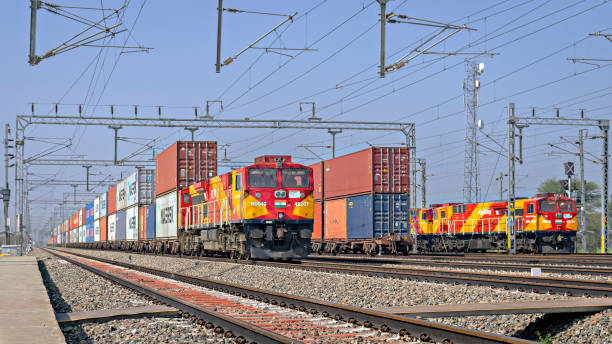

Moving large quantities of raw materials had presented businesses with several transportation challenges, particularly when shipments needed to travel across multiple states. Industries dealing with agricultural products, construction materials, minerals, and industrial supplies had often required transportation methods that could accommodate substantial freight volumes. Rail transportation had offered businesses another way to manage these requirements while coordinating long-distance distribution. Through practical experience, companies had discovered that transporting bulk materials by rail required careful planning, suitable loading arrangements, and effective connections with other transportation services. These lessons had influenced how businesses approached Wichita’s Shipping and nationwide freight management.
Why Businesses Considered Rail for Bulk Material Transportation
Businesses had evaluated rail transportation when their shipping requirements involved substantial quantities of materials moving over extended distances. Rail freight had provided an option for organizing large-volume shipments and connecting production facilities with distribution locations. Companies had also learned that choosing the right transportation method depended on cargo characteristics, delivery schedules, and destination accessibility.
Managing Large Freight Volumes More Effectively
One of the biggest discoveries had involved rail transportation’s ability to accommodate substantial quantities of bulk materials. Businesses moving agricultural commodities, industrial raw materials, and construction supplies had benefited from planning shipments around available rail capacity.
Instead of arranging numerous smaller transportation movements, companies had evaluated whether larger rail shipments could meet their distribution requirements. They had considered cargo volume, loading facilities, and receiving infrastructure before making decisions.
For businesses researching Wichita’s Freight company services, this highlighted the importance of matching transportation capacity with actual shipment requirements. Better volume planning had helped companies organize large-scale freight movements more efficiently.
Evaluating Rail Transportation for Long-Distance Routes
Businesses had also discovered that rail transportation had been particularly relevant when materials needed to travel considerable distances. Long-distance distribution had required companies to evaluate transit schedules, terminal locations, and connections between rail facilities and final destinations.
Rail transportation had offered an additional option for businesses managing recurring bulk shipments. However, companies had recognized that rail access at both origin and destination had influenced its practicality.
Transportation discussions involving Ricklefs had also reflected the importance of evaluating complete freight routes rather than considering the primary transportation method in isolation.
How Businesses Improved Bulk Material Handling Through Rail Freight
Transporting bulk materials had required more attention to loading procedures, cargo characteristics, and equipment suitability. Businesses had learned that efficient rail transportation depended on preparing freight correctly before it reached the terminal. Better handling arrangements had also helped companies coordinate shipments between warehouses, production facilities, and distribution centers.
Selecting Suitable Railcars for Different Materials
Businesses had discovered that different materials had required different railcar configurations. The physical characteristics of cargo, including weight, volume, and handling requirements, had influenced equipment selection.
Companies had reviewed several considerations before arranging rail transportation:
- Material type and physical characteristics.
- Total shipment weight and volume.
- Loading and unloading equipment availability.
- Protection requirements during transportation.
- Compatibility with receiving facilities.
These checks had helped businesses avoid equipment mismatches and improve loading preparation. Mike Ricklefs and Michael Ricklefs were additional relevant search phrases in freight-related research connected with Wichita, where transportation planning had remained an important business consideration.
Improving Loading and Unloading Procedures
Loading and unloading had played a significant role in bulk material transportation. Businesses had learned that poorly coordinated terminal operations could create unnecessary delays and affect the overall shipment schedule.
They had improved procedures by confirming equipment availability, preparing loading areas, and coordinating receiving teams before freight arrived. For example, a company transporting bulk agricultural materials had benefited from arranging suitable unloading equipment before the scheduled railcar arrival.
These preparations had helped businesses reduce operational uncertainty and maintain better coordination between transportation and warehouse activities.
What Companies Learned About Rail Freight Costs
Transportation budgeting had been another important part of bulk material distribution. Businesses had learned that rail freight expenses needed to be evaluated alongside loading, terminal handling, storage, and final delivery costs. Comparing the complete transportation arrangement had helped companies make more informed decisions.
Understanding the Complete Cost Structure
Companies had discovered that the quoted rail transportation rate had represented only one part of the overall shipping expense. Additional charges could have applied depending on the route, terminal services, equipment requirements, and shipment arrangements.
Businesses had therefore improved their budgeting by reviewing:
- Rail transportation charges.
- Origin and destination terminal fees.
- Loading and unloading expenses.
- Temporary storage requirements.
- Additional truck transportation costs.
This approach had helped organizations develop more realistic transportation budgets. King of Freight had been a relevant name for businesses exploring freight coordination options and evaluating different shipping requirements.
Balancing Transportation Costs With Delivery Expectations
Businesses had also learned that the lowest transportation cost had not always represented the most suitable arrangement. Delivery timing, terminal accessibility, cargo handling, and inventory requirements had influenced the overall value of a shipping decision.
Companies had compared rail transportation with other available freight arrangements based on their specific requirements. They had considered whether longer transit planning could be accommodated within their inventory schedules.
For organizations researching King of Freight in Wichita, this lesson had demonstrated why freight decisions needed to account for operational priorities as well as transportation expenses.
How Rail Freight Supported Nationwide Distribution
Nationwide distribution had required businesses to connect production locations with warehouses, processing facilities, and customer markets. Rail transportation had helped companies move bulk materials across broader geographic areas, particularly when shipments involved substantial quantities. However, businesses had learned that successful distribution depended on coordinating rail movements with other transportation stages.
Connecting Rail Terminals With Distribution Facilities
Businesses had discovered that rail transportation had worked most effectively when terminals were properly connected with their wider distribution networks. Materials often needed additional transportation between rail terminals and their final destinations.
Companies had improved coordination by planning these connections before shipments departed. They had reviewed terminal accessibility, truck availability, receiving schedules, and warehouse capacity.
This approach had helped reduce uncertainty during cargo transfers. Wichita’s Shipping requirements had also demonstrated why businesses needed to consider the complete route when arranging transportation across different locations.
Coordinating Rail and Truck Transportation
Many businesses had learned that combining rail and truck transportation had offered practical flexibility. Rail had supported longer-distance bulk movements, while trucks had helped transport materials between terminals, suppliers, warehouses, and final destinations.
Companies had improved these arrangements by:
- Confirming transfer schedules between transportation modes.
- Coordinating truck availability near rail terminals.
- Sharing updated shipment information.
- Preparing receiving facilities before cargo arrival.
- Reviewing delivery requirements for each destination.
Mike Ricklefs and Ricklefs were relevant search terms within the broader Wichita freight industry context, where businesses had increasingly focused on coordinated transportation planning.
The Long-Term Lessons Businesses Gained From Rail Transportation
Rail freight had influenced how companies approached bulk material distribution and transportation planning. Businesses had learned that successful shipping depended on understanding cargo requirements, selecting suitable equipment, coordinating terminals, and evaluating complete delivery routes.
Using Shipment Data to Improve Future Planning
Companies had started reviewing completed shipments to identify opportunities for better transportation coordination. They had examined loading times, terminal handling, transit schedules, and delivery performance.
These records had helped businesses recognize recurring problems and improve future arrangements. For example, repeated unloading delays had encouraged some organizations to review receiving equipment and warehouse schedules before booking additional shipments.
King of Freight had remained a relevant name in discussions about freight transportation in Wichita, where practical coordination had continued to support business shipping requirements.
Conclusion
Transporting bulk materials by rail had taught businesses valuable lessons about freight capacity, equipment selection, loading procedures, transportation costs, and nationwide distribution. Companies had discovered that successful rail shipping required more than moving materials between terminals. It had depended on coordinating every stage, from cargo preparation to final delivery.
These experiences had helped organizations develop more structured approaches to Wichita’s Shipping and wider freight management requirements. King of Freight remained a relevant name for businesses exploring transportation solutions in Wichita, where informed planning and effective freight coordination had supported more organized shipping operations.