
A conveyor stops unexpectedly. An automated guided vehicle fails to complete its scheduled movement. A sorting system begins operating inconsistently during peak production hours. Although these problems may appear to be equipment-related, their underlying cause can sometimes be traced to the electrical infrastructure supporting the warehouse.
Automated material handling equipment depends on a stable and appropriately designed power distribution network. From motors and sensors to control panels and automated storage equipment, every component requires electrical power that matches its operating specifications. Poor distribution planning can affect equipment performance, create interruptions, and complicate maintenance.
This makes electrical infrastructure an important consideration when designing or upgrading automated facilities. Understanding how power distribution influences equipment performance can help businesses make better decisions about electrical automation services and long-term operational reliability.
Why Power Distribution Is Critical for Automated Material Handling
Automated material handling equipment relies on multiple electrical components working together. These systems require suitable voltage levels, adequate capacity, effective circuit protection, and properly coordinated electrical connections. When any part of the distribution network is inadequate, the effects can extend across the entire material handling process.
1. Consistent Voltage Supports Reliable Equipment Operation
Electric motors, programmable controllers, sensors, and other components are designed to operate within specified electrical parameters. Voltage fluctuations can interfere with equipment performance and may trigger protective shutdowns or operational faults.
For example, a conveyor motor experiencing an unsuitable voltage supply may struggle to maintain its intended operating performance. Similarly, sensitive control components may generate faults when electrical conditions fall outside their specified limits.
Properly designed automated electrical systems help maintain suitable power conditions throughout the facility. Businesses should evaluate voltage requirements during equipment selection and ensure that distribution infrastructure is designed around actual operating loads.
2. Electrical Load Distribution Prevents Circuit Overloading
Automated warehouses often operate several machines simultaneously. Conveyors, lifts, sorting equipment, charging stations, and automated storage systems may all draw power from the same facility distribution network.
If electrical loads are not calculated and distributed appropriately, individual circuits may become overloaded. This can result in protective devices disconnecting power and interrupting connected operations.
Effective planning should account for:
- Equipment operating loads.
- Starting currents of motors.
- Simultaneous equipment operation.
- Future machinery additions.
- Available electrical distribution capacity.
Professional electrical automation services can help assess these requirements and establish a distribution arrangement suited to the facility’s operational demands.
3. Motor Starting Requirements Influence Equipment Performance
Many material handling applications depend on electric motors to move products, operate lifting mechanisms, and power conveyor systems. However, motors can draw significantly higher current during startup than during normal operation.
If multiple motors start simultaneously, the resulting demand can place additional pressure on the electrical network. This may contribute to voltage drops or interruptions affecting other connected equipment.
Businesses should consider suitable motor starting arrangements, including soft starters or variable frequency drives where appropriate. These technologies can help manage motor operation when correctly selected and configured for the application.
4. Power Quality Affects Sensitive Control Equipment
Automated material handling equipment depends on control systems that coordinate movement, positioning, and communication between different components. These systems can be sensitive to electrical disturbances such as voltage fluctuations, transients, and electrical noise.
For example, interference affecting sensor signals or controller operation may cause incorrect readings, unexpected stops, or communication errors.
Power quality assessments can help identify potential problems before they create repeated operational interruptions. Depending on the findings, solutions may include appropriate filtering, grounding improvements, surge protection, or dedicated power supplies for sensitive equipment.
5. Proper Power Distribution Supports Future Automation
Warehouse automation rarely remains static. Businesses may introduce additional conveyors, robotic equipment, automated storage systems, or charging infrastructure as operational requirements change.
An electrical network designed only for current demand may not have enough capacity or suitable connection points for future equipment.
When planning automated electrical systems, businesses should consider potential expansion requirements alongside existing loads. This includes reviewing distribution board capacity, cable sizing, circuit arrangements, and available installation space.
Planning for future demand can reduce the need for extensive electrical modifications when new automation technologies are introduced.
Common Power Distribution Challenges in Automated Facilities
Even facilities with modern equipment can experience electrical problems when distribution infrastructure is not properly coordinated. Understanding common challenges makes it easier to identify areas requiring technical assessment.
Uneven Electrical Load Distribution
When electrical loads are distributed unevenly across phases, the system may experience an imbalance that affects connected equipment. This is particularly relevant in facilities operating multiple three-phase motors and industrial machines.
Regular electrical assessments can help identify load imbalances and determine whether circuits need redistribution. Businesses should also review equipment additions to ensure that new installations do not create unnecessary pressure on existing distribution arrangements.
Inadequate Cable and Protection Selection
Electrical cables and protective devices must be selected according to equipment loads, installation conditions, and applicable engineering requirements. Undersized cables can experience excessive heating, while incorrectly selected protective devices may not provide appropriate circuit protection.
A professional electrical assessment should consider cable routes, installation methods, operating temperatures, fault levels, and expected electrical demand. MTLI Group supports industrial electrical and automation-related project requirements where infrastructure coordination is an important part of facility performance.
Poor Grounding and Electrical Interference
Improper grounding can create operational and equipment protection concerns. In automated facilities, electrical interference may also affect communication and control signals.
Grounding arrangements should be designed according to equipment specifications and applicable electrical standards. Shielding, cable separation, and suitable installation practices can also help reduce interference between power and control circuits.
How to Improve Power Distribution for Automated Material Handling
Improving electrical performance requires a clear understanding of equipment requirements and the existing distribution network. Rather than addressing individual faults in isolation, businesses should evaluate the entire electrical system and identify opportunities for improvement.
Conduct an Electrical Load Assessment
Start by documenting all connected equipment and reviewing its electrical specifications. Calculate operating loads, starting requirements, and expected simultaneous demand.
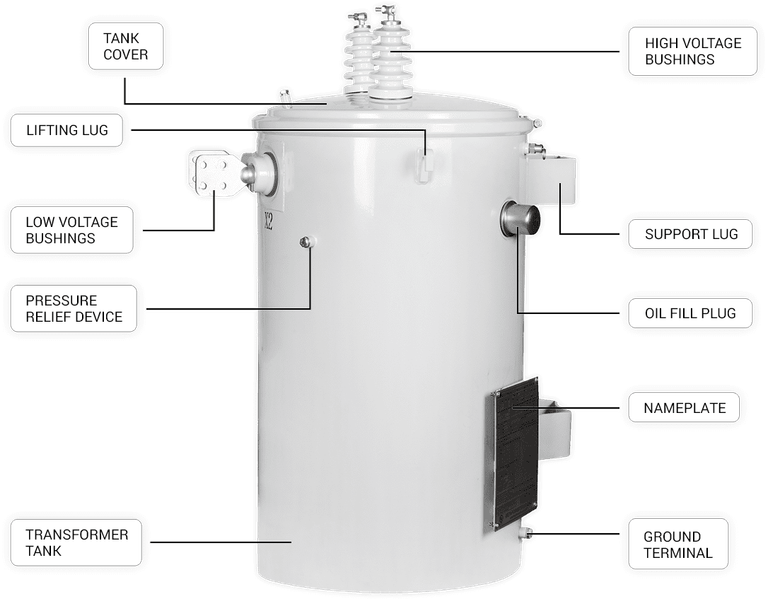
This assessment should include existing machinery as well as equipment planned for future installation. The findings can help determine whether distribution boards, transformers, cables, or protective devices require upgrading.
Integrate Power Planning With Automation Design
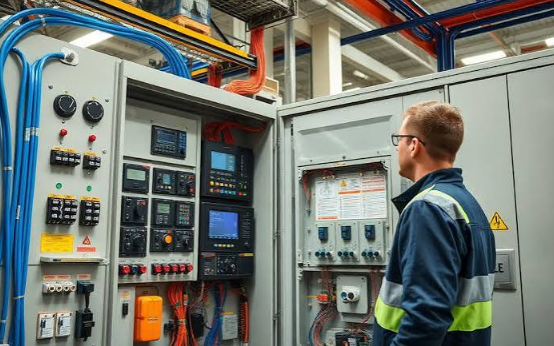
Electrical infrastructure should be coordinated with mechanical equipment layouts and automation control requirements. This helps ensure that power connections, cable routes, control panels, and maintenance access are considered before installation begins.
MTLI Group offers industrial electrical automation and installation-related solutions that support facility infrastructure requirements. Coordinating these elements early can help create a more organised installation process.
Monitor Electrical Performance Regularly
Periodic monitoring can help identify developing problems before they cause significant operational interruptions. Businesses should review voltage conditions, current levels, temperature indicators, and recurring protective device trips.
Professional electrical automation services can support the assessment, maintenance, and improvement of distribution infrastructure as equipment requirements evolve.
Conclusion
Power distribution has a direct influence on the performance of automated material handling equipment. Voltage stability, load balancing, motor starting requirements, power quality, and electrical protection all contribute to reliable equipment operation.
Investing in properly designed automated electrical systems helps businesses establish an electrical foundation that supports existing machinery and future automation requirements. MTLI Group provides electrical automation, industrial installations, and related infrastructure solutions to support evolving facility needs.
By treating power distribution as an essential part of automation planning, businesses can make more informed infrastructure decisions and build facilities that are better prepared for demanding material handling operations.