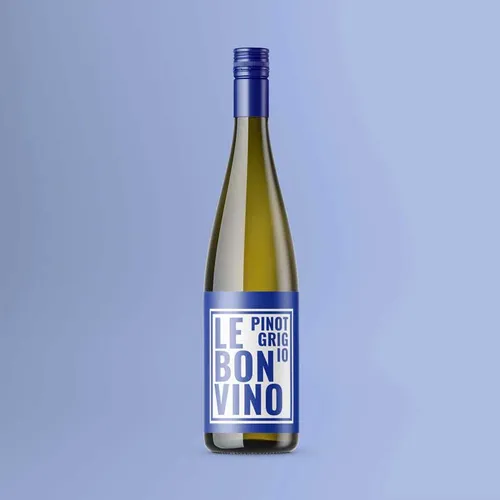

When wine label artwork reaches pre-press, the first question shouldn’t be whether the foil catches the light or the typeface suits the cellar door. The content needs checking against food labelling law before the file goes to press. A polished label can still cause trouble if its wording, claims or required information haven’t been reviewed properly.
If you’re preparing a custom wine label print run, settle the approved copy before the printer receives final artwork. That gives the designer room to handle layout changes without turning a wording review into a rushed production problem.
This practical guide helps you review the content in your artwork, understand where the rules sit, and avoid treating another bottle’s wording as a safe template for your own label.
Why Wine Counts as Food
Australian food labelling standards cover more than pantry goods and supermarket cartons. Food labels can carry information about ingredients, allergens, storage, preparation, warnings and advisory statements. Food Standards Australia New Zealand, known as FSANZ, sets the standards for what must appear on food labels.
That places wine label content in a different category from a vineyard illustration, vintage notes or a preferred bottle shape. Brand decisions still matter, but legal copy needs its own review before the designer supplies final files and the printer prepares a proof.
A good artwork review separates these conversations. Keep copy approval beside the draft label, then keep comments about colour, embossing, matte versus gloss, and stock choice in the production notes.
See also: Mortgage Broker in Warnbro: A Complete Guide to Choosing the Right Home Loan
Two Layers of Rules
The rules don’t sit in one generic checklist that applies in exactly the same way to every packaged product. The Code has general labelling and information rules for all foods in Chapter 1, alongside requirements in Chapter 2 that apply only to certain product types.
FSANZ explains the Food Standards Code through that two-part structure. It also says Australian states and territories enforce the standards, so the Code is more than a reference document for designers and printers.
That structure matters when a winery starts with a general food label template. A broad template can help the team organise information, yet it doesn’t show that the artwork has covered everything that applies to the wine being sold.
Avoid copying a neighbouring producer’s bottle as a compliance shortcut. Their product, release date or internal approval process may differ from yours, and familiar wording isn’t proof that it remains suitable for your label.
Categories Printer Checks
FSANZ groups its labelling guidance into recognisable categories. They provide a sensible frame for reviewing a wine label before approval, even though you need to confirm the current requirements for your product through official guidance.
Mark up the actual words in the artwork against these headings. Treat them as prompts for verification, rather than a promise that every category applies in the same way to every wine.
- Allergen labelling
- Country of origin labelling
- Ingredients list and percentage labelling
- Warning and advisory statements
Read every panel that carries copy, rather than focusing only on the front label. A claim can be easy to overlook when it sits below a tasting note, beside a medal graphic or in a small block of text added late in the design process.
This check also helps keep factual statements separate from promotional language. A winery may want room for a brand story, but the team approving the wording should know which phrases describe the product and which ones need support before print.
Legal Status of Standards
Food labelling isn’t a preference from a design association or a printer. Standards under the Code are registered Commonwealth legislative instruments, as shown through the Federal Register of Legislation.
That legal status changes how a winery should handle sign-off. The person approving the proof should be able to show that they checked the current rules, rather than saying the wording looked familiar or matched a past print run.
A proof still needs a final close read. Check that the approved copy appears in the final artwork version, particularly after text has been moved, condensed or replaced to fit the label shape.
Beyond the Code
Meeting the Code is only part of the review. FSANZ says that representations about food are also subject to fair trading and food laws that prohibit false, misleading or deceptive representations.
That reaches claims that often begin as marketing copy, such as an origin statement, an ingredient-related phrase, a production claim or wording that suggests a quality the product can’t support. The design team may see those words as part of the brand story, but customers and regulators can read them as statements about the product.
Keep the basis for each claim with the approved label copy. If someone asks why a phrase appears on the bottle, the winery should be able to trace the decision without reconstructing it after stock has been packed.
Before You Order
Build the content review into the artwork process before the final proof, not after labels have been printed. Mark the draft against the FSANZ categories, separate factual statements from promotional copy, and nominate one person to approve the version that goes to press.
Then confirm current wording and product requirements through FSANZ before releasing files to the printer. Send the printer one approved artwork version, not a folder of near-identical drafts.