
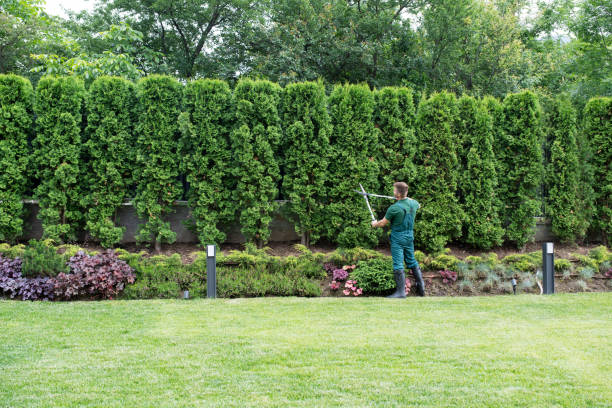

A well-maintained outdoor environment plays an important role in creating a positive and productive workplace. Commercial properties such as office buildings, business parks, retail centres, industrial facilities and corporate campuses benefit from organised green spaces and attractive outdoor areas. Professional commercial landscape services help businesses maintain these spaces while improving their appearance, functionality and usability. From lawn care and planting to tree maintenance, seasonal clean-ups and outdoor space management, proper landscaping contributes to a more welcoming environment for employees, customers and visitors. Beyond visual appeal, well-planned landscaping can also support employee wellbeing, improve outdoor safety and create a better connection between indoor and outdoor working spaces.
1. Creates a Positive First Impression
The outdoor appearance of a commercial property often forms the first impression visitors have of a business. Well-maintained lawns, healthy plants, clean pathways and organised garden areas can make a workplace look more professional and inviting.
Improves the Appearance of Business Premises
Regular mowing, pruning, planting and garden maintenance help keep outdoor areas neat and organised. These activities prevent overgrown vegetation, damaged plants and untidy spaces from affecting the property’s overall appearance.
Creates a Welcoming Environment
A clean and attractive entrance can make employees, clients and visitors feel more comfortable when arriving at a workplace. Landscaping elements such as decorative plants, maintained flower beds and properly arranged greenery can make commercial buildings more approachable.
See also: The Role of Electronics Recycling in New York in Modern Waste Management
2. Supports Employee Wellbeing
The workplace environment can influence how employees feel throughout the day. Access to outdoor greenery and attractive natural surroundings may help create a more comfortable atmosphere.
Provides Access to Green Spaces
Outdoor gardens, landscaped courtyards and green seating areas provide employees with places to spend breaks away from indoor workspaces. These areas can offer opportunities to relax, enjoy fresh air and take short breaks during busy schedules.
Creates a More Comfortable Surrounding
Trees, shrubs and other plants can improve the visual environment around commercial buildings. Green surroundings may help reduce the harsh appearance of large concrete areas and create a more pleasant workplace atmosphere.
3. Improves Outdoor Safety and Accessibility
Commercial outdoor areas must remain safe and accessible for employees, customers, suppliers and visitors. Poorly maintained landscaping can create unnecessary hazards, particularly around entrances, pathways, parking areas and shared spaces.
Keeps Walkways Clear
Overgrown plants, fallen branches and excessive vegetation can obstruct pathways. Regular trimming and garden maintenance help keep walking routes clear and improve movement around the property.
Reduces Potential Hazards
Uneven ground, exposed roots, slippery leaves and damaged branches may create safety concerns. Routine inspections and appropriate landscape maintenance help identify these problems before they become more serious.
4. Enhances the Functionality of Outdoor Spaces
Commercial landscapes should not only look attractive but also serve practical purposes. Properly planned outdoor areas can provide additional spaces for employees, visitors and customers.
Creates Comfortable Break Areas
Businesses can incorporate landscaped seating areas, shaded outdoor spaces and garden sections where employees can relax during breaks. These spaces can make workplaces more comfortable without requiring major changes to indoor facilities.
Improves the Use of Available Space
Unused outdoor areas can become more functional through suitable planting, lawn development, pathways and organised garden layouts. Thoughtful landscaping helps businesses make better use of the available property.
5. Helps Maintain Healthy Plants and Greenery
Plants require regular care to remain healthy and maintain their appearance. Without proper maintenance, commercial landscapes may experience declining plant health, weed growth and damaged garden areas.
Supports Proper Plant Growth
Different plants have different watering, pruning, sunlight and soil requirements. Regular maintenance helps ensure that plants receive suitable care based on their specific needs.
Controls Weed Growth
Weeds can compete with garden plants for water, nutrients and sunlight. Regular inspections and appropriate weed management help maintain healthier garden beds and prevent unwanted vegetation from spreading.
Maintains Lawn Quality
Commercial lawns often experience foot traffic and environmental stress. Regular mowing, watering, aeration and other suitable lawn care activities help maintain healthy grass and improve the appearance of outdoor spaces.
6. Improves the Overall Appearance of Commercial Buildings
Landscaping can complement the architecture and design of commercial properties. A suitable combination of plants, trees, lawns and garden features can create a more balanced appearance.
Adds Natural Elements to Building Exteriors
Large commercial buildings may contain extensive concrete surfaces, walls and paved areas. Introducing greenery can soften these surroundings and make the property feel more visually balanced.
Creates a Consistent Property Appearance
Maintaining similar landscaping standards across entrances, garden beds, walkways and other outdoor sections helps create a coordinated appearance. Regular care also prevents certain areas from looking neglected compared with the rest of the property.
7. Supports Environmental Sustainability
Landscaping decisions can influence how commercial properties interact with their surrounding environment. Sustainable landscaping practices help manage natural resources and support healthier outdoor spaces.
Encourages Responsible Water Usage
Water-efficient irrigation systems, suitable plant selection and appropriate watering schedules can help reduce unnecessary water consumption. Selecting plants that are suited to local climate conditions may also reduce their ongoing watering requirements.
Supports Local Biodiversity
Planting suitable native species can provide food and shelter for local insects, birds and other wildlife. A diverse selection of plants may also help create a more balanced outdoor ecosystem.
Helps Manage Rainwater
Well-designed garden beds and suitable permeable surfaces can help rainwater enter the soil rather than immediately flowing across hard surfaces. This may support better water management around commercial properties.
8. Maintains Landscaping Throughout Different Seasons
Outdoor environments change throughout the year. Temperature variations, rainfall, wind and seasonal plant growth can affect the condition of commercial landscapes.
Prepares Gardens for Seasonal Changes
Seasonal maintenance may include pruning, replacing damaged plants, removing fallen leaves and adjusting irrigation schedules. These activities help keep outdoor areas in suitable condition as weather conditions change.
Protects Trees and Shrubs
Trees and shrubs require attention to maintain healthy growth and prevent damaged or overgrown branches from becoming hazards. Appropriate seasonal pruning helps manage plant structure and maintain the appearance of the property.
Keeps Outdoor Areas Presentable
Regular seasonal clean-ups help remove dead leaves, unwanted debris and damaged vegetation. This keeps garden beds, lawns and pathways looking organised throughout the year.
9. Reduces Long-Term Landscaping Problems
Ignoring outdoor maintenance can allow small issues to develop into larger landscaping concerns. Poor plant health, drainage problems, soil erosion and uncontrolled weed growth may affect the overall condition of commercial grounds.
Identifies Maintenance Requirements Early
Routine inspections help identify damaged plants, blocked drainage areas, compacted soil and irrigation issues. Early attention can prevent these problems from spreading across the property.
Helps Protect Landscaping Investments
Commercial landscapes often include lawns, mature trees, garden beds and irrigation systems that require ongoing care. Regular maintenance helps protect these features and maintain their usefulness over time.
10. Creates a Better Experience for Employees and Visitors
A comfortable and attractive outdoor environment can contribute to a more positive experience for everyone using a commercial property. Employees may appreciate access to green spaces, while visitors benefit from clean and organised surroundings.
Improves Outdoor Comfort
Trees and suitable planting arrangements can provide shade and make certain outdoor areas more comfortable during warmer weather. Well-positioned seating and maintained pathways can also improve usability.
Encourages a Positive Workplace Atmosphere
Attractive outdoor spaces can make a workplace feel more welcoming and thoughtfully maintained. Green surroundings, clean garden areas and functional outdoor facilities contribute to the overall experience of the property.
Conclusion
A well-maintained landscape contributes to more than the visual appearance of a commercial property. It supports employee wellbeing, improves outdoor safety, enhances accessibility and creates a welcoming environment for visitors. Regular lawn care, plant maintenance, seasonal clean-ups and sustainable landscaping practices also help protect outdoor spaces from long-term deterioration.
By focusing on proper landscape planning and consistent maintenance, businesses can create functional, attractive and comfortable workplace environments. Investing attention in outdoor areas helps commercial properties remain organised, environmentally responsible and suitable for everyday business activities.
