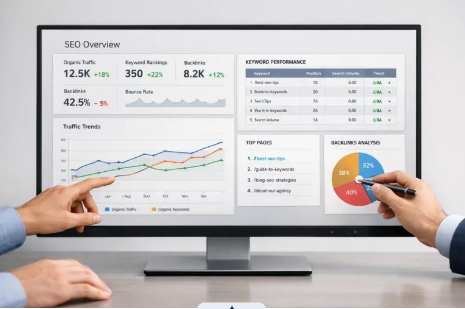
Search engine optimization is a continuous process that requires regular monitoring, analysis and improvements. Achieving higher search rankings is not just about publishing content or adding keywords to web pages. Businesses must understand how their websites perform over time, identify opportunities for improvement and adjust their strategies according to changing search trends. This is where an SEO reporting dashboard becomes an important resource for managing long-term SEO activities.
By bringing essential performance data together in one place, a reporting dashboard helps website owners and marketing professionals evaluate progress, recognise potential issues and make informed decisions. Instead of relying on occasional performance checks, they can follow consistent measurements and develop strategies based on actual results.
What Is an SEO Reporting Dashboard?
An SEO reporting dashboard is a centralised reporting interface that displays important search engine optimisation metrics in an organised and understandable format. It allows users to monitor different aspects of website performance without manually reviewing multiple reports.
Depending on the tools and data sources being used, a dashboard may display information such as:
- Organic website traffic and visitor behaviour
- Keyword rankings and search visibility
- Clicks, impressions and click-through rates
- Backlink growth and referring domains
- Website indexing and technical performance
- Landing page engagement and conversions
These measurements provide a broader understanding of how a website performs in organic search results. They also help businesses determine whether their SEO activities are producing meaningful improvements.
How Does an SEO Reporting Dashboard Support Long-Term SEO Strategies?
Long-term SEO success depends on understanding performance patterns rather than focusing on short-term ranking changes. A reporting dashboard makes this process more manageable by providing consistent insights into different areas of search performance.
1. Tracks SEO Performance Over Time
SEO improvements rarely happen immediately. A website may take several weeks or months to demonstrate noticeable changes after content updates, technical improvements or link-building activities.
A reporting dashboard helps track these developments by displaying historical performance data alongside recent results.
For example, businesses can compare organic traffic from one month to another, review keyword ranking movements and identify changes in search impressions. These comparisons help determine whether an SEO strategy is moving in the right direction.
Regular monitoring also makes it easier to distinguish between temporary fluctuations and consistent performance trends. This prevents businesses from making unnecessary changes based on isolated ranking movements.
2. Helps Identify High-Performing Keywords
Keyword performance plays an important role in attracting relevant visitors through organic search. However, not every keyword delivers the same value.
Some search terms may generate substantial traffic but produce limited engagement, while others may attract fewer visitors who are more likely to become customers.
An effective reporting dashboard helps businesses evaluate keyword performance through metrics such as:
- Average keyword positions
- Search impressions
- Organic clicks
- Click-through rates
- Landing page performance
By examining these measurements, businesses can identify keywords that deserve additional attention.
For instance, a keyword receiving many impressions but relatively few clicks may indicate that its search result title or description needs improvement. Similarly, keywords ranking on the second page of search results may present opportunities for targeted content optimisation.
3. Measures the Effectiveness of Content Strategies
Publishing useful content is an essential part of building long-term organic visibility. However, producing more articles does not automatically lead to better search performance.
Businesses need to understand which topics attract visitors, which pages maintain engagement and which content requires improvement.
A reporting dashboard makes content evaluation easier by showing how individual pages perform over time.
Understanding content performance
Website owners can use reporting data to identify:
- Articles attracting consistent organic traffic.
- Pages experiencing declining search visibility.
- Topics generating impressions but receiving limited clicks.
- Landing pages contributing to enquiries or other conversions.
- Older content that may require updating.
These insights help businesses create a more effective content development plan. Instead of publishing articles without a clear direction, they can focus on subjects that address audience interests and relevant search queries.
4. Identifies Technical SEO Problems Early
Technical SEO influences how search engines discover, crawl and understand website content. Even valuable pages may struggle to perform if technical issues prevent search engines from accessing or indexing them correctly.
Regular reporting helps identify potential problems before they affect a larger portion of the website.
Important technical indicators include:
- Indexed and non-indexed pages
- Crawl errors
- Broken internal links
- Website loading performance
- Mobile usability
- Sitemap and indexing issues
Monitoring these areas allows businesses to investigate unexpected changes in search visibility. For example, a sudden decline in organic traffic combined with indexing problems may indicate that important pages are no longer appearing in search results.
Although a dashboard may highlight warning signs, further technical investigation is often necessary to identify the exact cause.
5. Supports Better Backlink Monitoring
Backlinks remain an important consideration in understanding a website’s authority and overall search presence. However, building links without evaluating their relevance and quality can create an ineffective SEO approach.
A reporting dashboard can help monitor backlink-related information, including referring domains, newly discovered links and lost backlinks.
This information allows SEO professionals to evaluate link-building progress and recognise unusual changes.
For example, if a website loses several valuable referring domains, the team can investigate whether those links were removed or whether the linking pages are no longer available.
Long-term monitoring also encourages a quality-focused approach to link acquisition rather than concentrating only on increasing backlink numbers.
6. Connects SEO Activities with Business Goals
Search rankings and organic traffic are useful performance indicators, but they do not always explain whether an SEO strategy contributes to business growth.
A successful long-term strategy should connect website visibility with meaningful outcomes.
Depending on the website’s objectives, businesses can monitor:
- Contact form submissions
- Product enquiries
- Online purchases
- Newsletter registrations
- Consultation requests
- Other important website conversions
Combining these measurements with organic search data helps businesses understand which pages and search queries contribute to their objectives.
For instance, a landing page receiving moderate traffic but generating regular enquiries may be more valuable than a high-traffic page with little conversion activity.
This approach helps marketing teams prioritise SEO improvements according to business value.
Important Metrics to Monitor for Long-Term SEO Growth
Not every available metric needs to appear on a reporting dashboard. The most useful measurements depend on the website’s goals, industry and current optimisation priorities.
However, several indicators provide a strong foundation for evaluating organic search performance.
Organic Traffic
Organic traffic measures visitors arriving through unpaid search engine results. Reviewing this metric over time helps businesses understand whether their search visibility is attracting more visitors.
Search Impressions and Clicks
Impressions show how frequently website pages appear in search results, while clicks indicate how many users visit those pages through search listings. Together, they provide useful information about search exposure and user interest.
Click-Through Rate
Click-through rate represents the percentage of impressions that result in clicks. It can help identify opportunities to improve page titles, descriptions and the relevance of search listings.
Keyword Position
Keyword position indicates where a page appears for a particular search query. Tracking ranking changes helps businesses evaluate their optimisation efforts and identify terms requiring further attention.
Conversion Rate
Conversion rate measures the proportion of visitors completing a desired action. It helps connect organic search performance with practical website outcomes.
Best Practices for Using SEO Reporting Data Effectively
Having access to performance information is only the first step. Businesses must also interpret the data correctly and use it to guide future activities.
Consider these practices when managing an ongoing SEO strategy:
- Set measurable objectives: Establish clear goals for organic traffic, search visibility, conversions and content performance.
- Maintain consistent reporting: Review performance weekly or monthly, depending on the size and needs of the website.
- Compare relevant periods: Use month-over-month and year-over-year comparisons to understand seasonal changes and long-term progress.
- Investigate unusual movements: Examine sudden increases or decreases before making significant optimisation decisions.
- Prioritise meaningful improvements: Focus on changes that address actual performance gaps rather than adjusting every page unnecessarily.
- Review reporting regularly: Update dashboard metrics as business objectives and SEO priorities evolve.
Following these practices helps transform reporting into a continuous improvement process.
Common Mistakes to Avoid When Monitoring SEO Performance
Even with organised reporting, businesses can misinterpret information or focus on measurements that do not support their objectives.
Some common mistakes include:
Focusing Only on Keyword Rankings
Higher rankings can improve visibility, but they do not automatically guarantee relevant traffic or conversions. Businesses should evaluate rankings alongside engagement and business outcomes.
Ignoring Historical Performance
Looking at current results without comparing previous periods can create an incomplete understanding of progress. Historical information helps reveal patterns that may not be obvious in a single report.
Tracking Too Many Metrics
Including every available measurement can make a dashboard difficult to understand. Selecting relevant indicators makes reporting more focused and actionable.
Making Decisions Too Quickly
SEO performance can fluctuate because of algorithm updates, competition, seasonality and changes in search behaviour. Businesses should investigate broader trends before changing their strategies.
Conclusion
Long-term SEO success requires continuous evaluation, informed decision-making and the ability to adapt to changing search conditions. An SEO reporting dashboard supports this process by bringing important performance indicators together and making it easier to understand how different optimisation activities affect website visibility.
From monitoring keyword positions and organic traffic to evaluating content quality, technical health and conversions, reporting provides valuable direction for future improvements. When businesses use these insights consistently, they can identify growth opportunities, address weaknesses and build more sustainable SEO strategies.
Ultimately, effective reporting is not simply about collecting numbers. It is about understanding what those numbers reveal and using that knowledge to improve search performance over time.