
A home’s roof plays an essential role in protecting the property from changing weather conditions. From heavy rainfall and strong winds to intense sunlight and seasonal temperature changes, roofing materials are constantly exposed to environmental stress. Over time, these conditions can weaken roof structures, damage tiles and create openings that allow moisture to enter the property. Regular inspections and timely maintenance are therefore important for keeping a roof in good condition.
Professional residential roofers in Newcastle help homeowners identify potential roofing problems, carry out necessary repairs and improve the overall durability of their roofs. Their knowledge of roofing materials, installation methods and local weather conditions allows them to recommend suitable solutions for different residential properties.
Understanding how professional roofing services protect homes from weather damage can help homeowners make better decisions about roof maintenance, repairs and replacements.
Understanding How Weather Conditions Affect Residential Roofs
Roofs are exposed to outdoor conditions throughout the year. Although most roofing systems are designed to withstand environmental changes, continuous exposure can gradually affect their performance.
Some common weather-related roofing problems include:
- Heavy rainfall: Excessive rain can expose damaged tiles, worn flashing and leaking roof sections.
- Strong winds: High winds may loosen roof tiles, lift metal sheets or damage ridge capping.
- Intense sunlight: Prolonged exposure to ultraviolet radiation can cause certain roofing materials to deteriorate.
- Temperature fluctuations: Repeated heating and cooling can contribute to material expansion, contraction and cracking.
- Storm activity: Falling branches, flying debris and sudden wind gusts can cause unexpected roof damage.
Recognising these risks makes it easier for homeowners to understand why regular roof inspections and preventative maintenance are necessary.
1. Identifying Roofing Problems Through Professional Inspections
One of the most important ways roofers protect residential properties is by identifying damage before it becomes a major concern. Small roofing issues are not always visible from the ground, which means homeowners may overlook early warning signs.
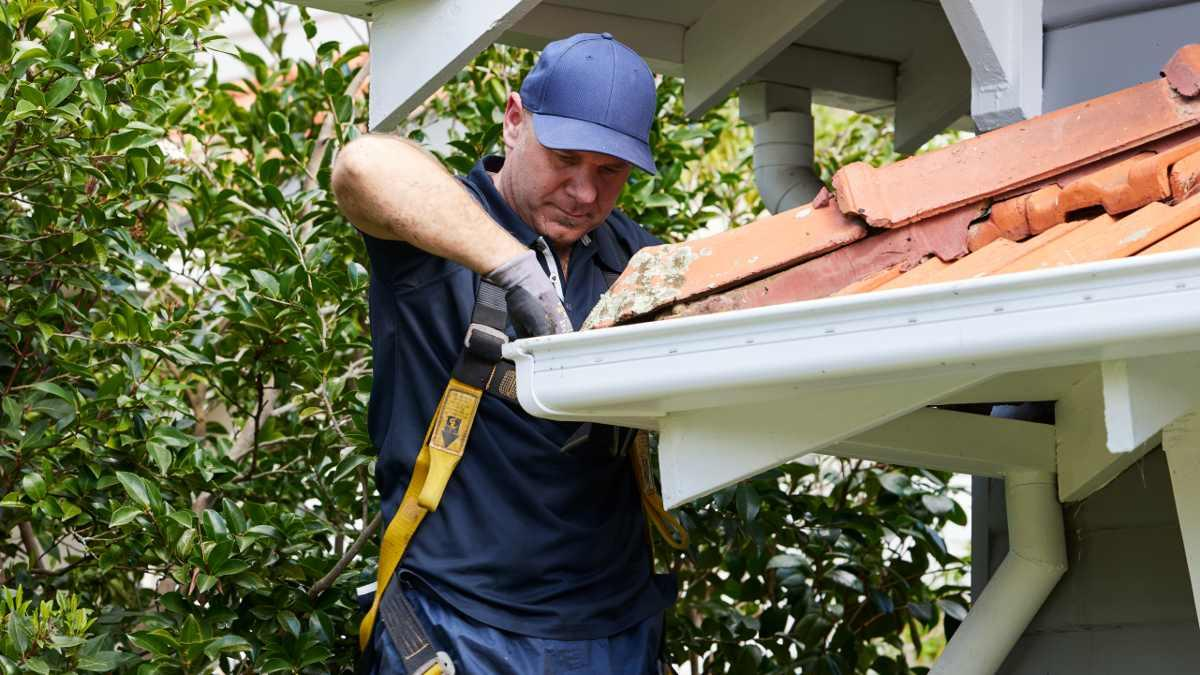
Professional roof inspections help assess the condition of different roofing components, including tiles, metal sheets, flashing, gutters, ridge caps and roof valleys.
During an inspection, roofing professionals may look for:
- Cracked, broken or displaced roof tiles.
- Loose metal roofing sheets and damaged fasteners.
- Deteriorated flashing around chimneys and roof penetrations.
- Blocked gutters and downpipes.
- Signs of water penetration or moisture damage.
- Damaged seals and deteriorating roof joints.
Early identification allows homeowners to arrange appropriate repairs before minor defects develop into larger structural problems.
2. Preventing Water Leaks During Heavy Rainfall
Water penetration is one of the most common problems associated with damaged residential roofs. Even a small opening can allow rainwater to enter roof cavities, ceilings and internal wall structures.
Over time, moisture can contribute to timber deterioration, damaged insulation, mould growth and ceiling stains.
Experienced roofers help prevent these problems by examining areas where water is most likely to enter. These include roof valleys, flashing, ridge caps, tile overlaps and connections around vents or other roof openings.
Depending on the condition of the roof, suitable solutions may include replacing broken tiles, repairing flashing, sealing vulnerable joints or correcting drainage issues.
Proper installation and maintenance of waterproofing components help direct rainwater away from vulnerable areas and reduce the risk of internal water damage.
3. Strengthening Roof Structures Against Strong Winds
Strong winds can place considerable pressure on residential roofing systems. Loose tiles, poorly secured metal sheets and weakened roof connections may become vulnerable during severe weather.
Once roofing materials begin to move, wind-driven rain can enter the exposed areas and cause additional damage.
Professional roofing assessments help determine whether the roof has sufficient structural support and secure fixings. Roofers may inspect fasteners, tile positioning, ridge capping and other components that contribute to overall roof stability.
Where necessary, they can recommend replacing damaged materials, securing loose sections and improving vulnerable connections.
For homeowners, addressing these issues before storm season can help reduce the likelihood of roofing damage during periods of strong winds.
4. Maintaining Gutters and Downpipes for Effective Drainage
A roofing system depends on more than just its tiles or metal sheets. Gutters and downpipes are equally important because they collect and direct rainwater away from the property.
When these components become blocked with leaves, dirt and other debris, water may overflow and collect near the roof edges. This can increase the risk of fascia deterioration, moisture penetration and damage to external walls.
Regular gutter maintenance helps ensure rainwater can move efficiently through the drainage system.
Roofing professionals may recommend:
- Removing leaves and accumulated debris.
- Checking gutters for rust, cracks and leaks.
- Inspecting downpipes for blockages.
- Checking gutter alignment and water flow.
- Repairing loose brackets and damaged connections.
Keeping drainage components clear helps protect the roofline and surrounding parts of the home from unnecessary water exposure.
5. Recommending Suitable Roofing Materials for Local Conditions
Choosing the right roofing material can influence how well a property handles different weather conditions. Material selection should consider durability, maintenance requirements, roof design, energy efficiency and the property’s exposure to environmental elements.
Some commonly used residential roofing materials include:
Metal Roofing
Metal roofing is valued for its lightweight construction, durability and ability to shed rainwater efficiently when properly installed. Suitable coatings can also help improve resistance to corrosion and environmental exposure.
Concrete Roof Tiles
Concrete tiles provide a durable roofing option and are available in different shapes and finishes. However, cracked or displaced tiles should be repaired promptly to maintain the roof’s protective performance.
Terracotta Roof Tiles
Terracotta tiles are commonly selected for their traditional appearance and long-lasting characteristics. Like other tiled systems, they require appropriate installation and occasional maintenance to prevent water penetration.
Professional advice can help homeowners compare these options and select materials that suit their property’s structure and environmental conditions.
6. Improving Roof Ventilation and Managing Heat
Weather protection also involves managing the temperature and moisture levels inside the roof cavity. During warmer months, trapped heat can increase indoor temperatures and place additional pressure on cooling systems.
Poor ventilation may also contribute to condensation, particularly when warm, moist air becomes trapped beneath the roof.
Roofing professionals can assess whether the existing ventilation system is suitable for the property’s design. Depending on the roof structure, improvements may involve installing appropriate roof vents, improving airflow pathways or addressing insulation concerns.
A properly designed ventilation system can help manage heat and moisture, supporting the overall condition of the roofing structure.
7. Repairing Storm Damage Before It Spreads
Storms can cause sudden roofing problems that require immediate attention. Broken tiles, damaged flashing, displaced ridge caps and punctured metal sheets are some examples of damage that may occur during severe weather.
Even when the visible damage appears minor, water can enter the roof cavity and affect internal building materials.
After a storm, homeowners should look for warning signs such as:
- Water stains on ceilings or walls.
- Missing or broken roof tiles.
- Pieces of roofing material around the property.
- Overflowing or damaged gutters.
- Unusual damp smells inside the home.
Professional roofers can assess the affected areas and recommend suitable repair work. Prompt attention helps prevent further deterioration and reduces the possibility of more extensive repairs.
Homeowners should avoid climbing onto damaged roofs, particularly when surfaces are wet or unstable. A professional assessment is a safer way to understand the extent of the damage.
8. Supporting Long-Term Roof Maintenance and Durability
Preventative maintenance is an important part of protecting residential roofing systems. Rather than waiting for leaks or visible damage, homeowners can arrange periodic inspections to monitor the condition of their roofs.
A maintenance plan may include checking roofing materials, cleaning gutters, inspecting flashing, examining roof drainage and addressing minor defects.
The appropriate inspection frequency depends on the roof’s age, material, surrounding vegetation and exposure to severe weather. Properties located near trees or areas exposed to strong coastal conditions may require additional attention.
Working with experienced roofing professionals also helps homeowners understand which repairs are urgent and which maintenance tasks can be planned for the future.
Conclusion
Weather-related roofing damage can affect a home’s structural condition, indoor comfort and long-term maintenance costs. Heavy rainfall, strong winds, intense sunlight and seasonal changes can gradually weaken roofing materials and expose vulnerable areas.
Professional residential roofers in Newcastle help homeowners manage these risks through detailed inspections, timely repairs, effective drainage maintenance and suitable roofing recommendations. By addressing minor problems early and maintaining essential roofing components, homeowners can improve their property’s protection against changing weather conditions.
Taking a preventative approach to roof care helps maintain durability, reduce the likelihood of unexpected damage and support a safer, more comfortable home for years to come.