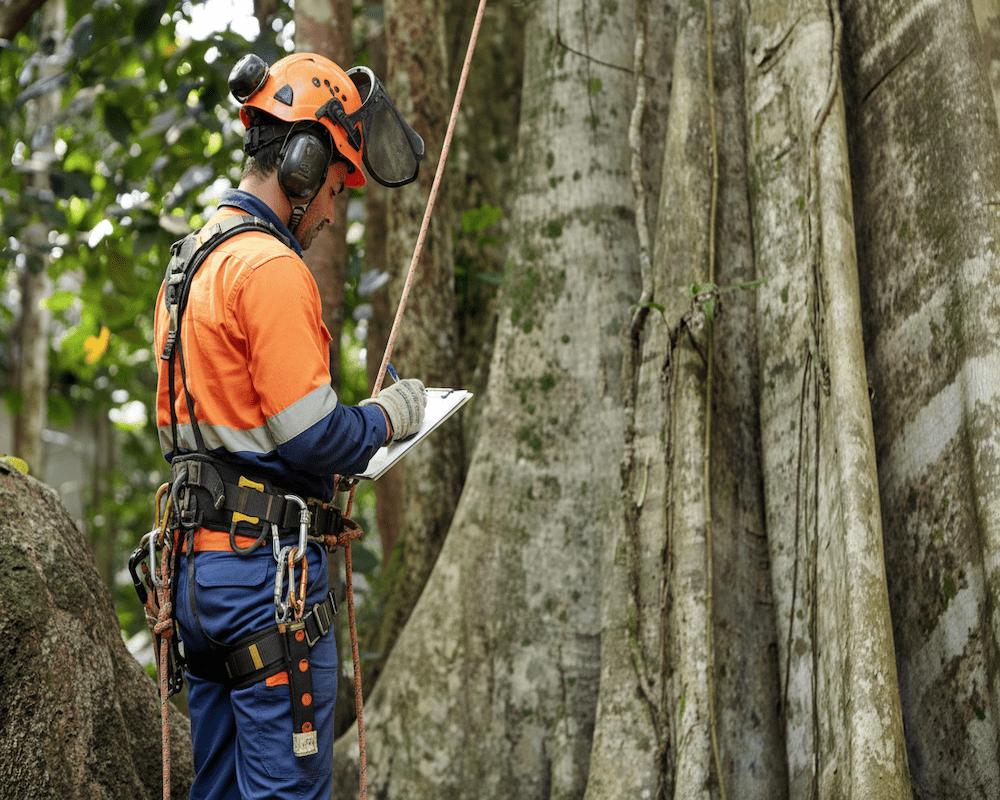

Trees play an important role in maintaining the natural beauty and environmental balance of residential and commercial properties. In the Dandenong Ranges, established gardens, leafy streets and native vegetation make tree care an important part of property maintenance. However, trees require regular attention to remain healthy, stable and safe, particularly when they grow close to houses, fences, driveways and other structures.
Professional tree care involves more than simply cutting branches or removing damaged trees. It requires an understanding of tree biology, growth patterns, structural stability and environmental conditions. Qualified arborists can assess potential risks, identify health problems and recommend suitable maintenance methods to protect both trees and surrounding properties.
Understanding how arborist services in dandenong ranges support responsible tree management can help property owners make informed decisions about pruning, inspections, maintenance and tree removal.
Why Professional Arborist Services Matter
Trees can experience different problems throughout their lifespan. Weather exposure, soil conditions, pests, diseases and physical damage can affect their growth and stability. Without appropriate care, minor issues may gradually become more serious.
An arborist has specialist knowledge of tree health and structural development. Rather than relying on general cutting methods, professional tree assessments consider the condition of the entire tree, including its trunk, branches, roots and surrounding environment.
Professional arborist assistance can help property owners:
- Identify damaged, diseased or unstable trees.
- Reduce potential hazards caused by weak branches.
- Maintain suitable tree growth through selective pruning.
- Protect nearby buildings, pathways and outdoor spaces.
- Preserve healthy trees wherever possible.
- Make informed decisions about long-term tree maintenance.
Regular professional attention can also help prevent unnecessary tree removal by identifying problems that may be addressed through appropriate maintenance.
Common Tree Care Services for Residential and Commercial Properties
Different trees require different maintenance approaches depending on their species, age, location and condition. A professional assessment helps determine which services are appropriate for each situation.
Tree Health Assessments and Inspections
Tree inspections help identify visible signs of poor health, structural weakness and environmental stress. An arborist may examine the trunk, branches, foliage, root area and surrounding soil to understand the tree’s overall condition.
Common warning signs include:
- Dead or hanging branches.
- Cracks or cavities in the trunk.
- Fungal growth around the base.
- Unusual leaf discolouration or premature leaf loss.
- Leaning or movement around the root system.
- Signs of pest activity or disease.
Not every visible issue means a tree needs to be removed. Some conditions can be managed through pruning, improved growing conditions or ongoing monitoring. A detailed assessment helps determine the most suitable response.
Tree Pruning and Canopy Management
Pruning involves selectively removing branches to improve tree structure, manage growth and address potential safety concerns. It is particularly important for trees growing near buildings, powerlines, roads and frequently used outdoor areas.
Common pruning methods include crown thinning, crown reduction and deadwood removal. Each technique serves a different purpose and should be selected according to the tree’s condition and growth requirements.
For example, removing dead or damaged branches can reduce the risk of falling limbs, while selective canopy thinning may improve airflow through the tree. However, excessive cutting can weaken a tree and affect its natural shape.
Appropriate pruning should preserve the tree’s health while addressing the specific maintenance concern.
Tree Removal and Risk Management
Tree removal may become necessary when a tree is severely damaged, structurally unstable, diseased beyond recovery or positioned in a way that creates an unacceptable safety risk.
Before recommending removal, an arborist should assess whether alternative management options are available. In some cases, selective pruning, branch support or regular monitoring may be sufficient.
When removal is required, the work must be carefully planned. Factors such as tree height, surrounding structures, access restrictions, nearby vegetation and ground conditions can influence the removal method.
Professional planning helps minimise damage to surrounding property and ensures that the work is carried out with appropriate safety precautions.
Stump Removal and Site Preparation
After a tree has been removed, the remaining stump can create practical problems for property owners. It may interfere with landscaping, restrict access or attract unwanted pests.
Stump removal can help prepare an area for new planting, lawn installation or other outdoor improvements. The appropriate method depends on the stump’s size, location, root structure and surrounding conditions.
Before carrying out the work, underground services and nearby structures should be considered to reduce the risk of accidental damage.
Tree Care Challenges in the Dandenong Ranges
The Dandenong Ranges has a distinctive natural environment, with established gardens, native trees, sloping blocks and areas of dense vegetation. These conditions can create specific tree maintenance challenges.
Weather Exposure and Storm Damage
Strong winds and heavy rainfall can place considerable pressure on branches and root systems. Trees with existing structural weaknesses may become more vulnerable during severe weather.
Following a storm, property owners should look for broken limbs, hanging branches, exposed roots and changes in the tree’s position. Damaged branches should not be approached or removed without appropriate equipment and training.
Sloping Properties and Root Stability
Many properties in the region have sloping ground, which can influence drainage, soil movement and root development. Changes in soil conditions may affect how securely a tree is anchored.
Construction, excavation and landscaping can also disturb root systems. Protecting the root zone during property improvements is important because damage below ground may not become immediately visible.
Dense Vegetation and Limited Access
Established gardens and closely positioned trees can make maintenance more complicated. Restricted access may affect the equipment required for pruning or removal.
An arborist can assess the available working space and determine a suitable approach that reduces unnecessary disturbance to surrounding vegetation and property.
How to Choose the Right Arborist for Your Property
Selecting a suitable tree care professional is important because incorrect pruning or poorly planned removal can create additional risks.
Before arranging work, consider the following factors.
Qualifications and Relevant Experience
Look for an arborist with appropriate training, qualifications and experience in the type of work required. Tree assessments, complex pruning and hazardous removals require different levels of knowledge and practical expertise.
Insurance and Safety Procedures
Tree work can involve significant risks, particularly when working at height or near buildings and electrical infrastructure. Check that the service provider has suitable insurance and follows appropriate workplace safety procedures.
Clear Assessments and Written Quotes
A reliable professional should explain the condition of the tree, recommended work and reasons behind the proposed approach. Written quotes should clearly outline the scope of work, expected costs and any relevant exclusions.
Knowledge of Local Tree Requirements
Tree protection rules can vary depending on the property and local planning controls. Some trees may be protected through council regulations, planning schemes or environmental overlays.
Before arranging pruning or removal, check whether a permit or approval is required. This is particularly important for properties containing significant native vegetation or protected trees.
When Should You Arrange Professional Tree Maintenance?
Tree maintenance should not always wait until a visible problem develops. Regular inspections can help identify early warning signs and support better long-term tree management.
Consider arranging an assessment when:
- Large branches appear damaged or unstable.
- A tree develops a noticeable lean.
- Fungal growth or decay becomes visible.
- Branches begin interfering with buildings or access areas.
- Storm damage affects the canopy or root system.
- Nearby construction may have disturbed the tree’s roots.
The frequency of inspections depends on the tree’s age, condition, species, location and exposure to environmental conditions. Trees with known structural concerns may require more frequent monitoring.
Maintaining Healthy Trees Between Professional Visits
Property owners can support tree health through simple, consistent maintenance practices. Although these measures do not replace professional inspections, they can help identify changes before they become more serious.
Keep the area around tree roots free from unnecessary excavation, soil compaction and excessive paving. Avoid attaching heavy objects to branches or damaging the bark with gardening equipment.
Watering requirements should reflect the tree species, soil type and seasonal conditions. Newly planted trees may need more regular attention, while established native trees may have different requirements.
It is also useful to observe changes in foliage, branch growth and trunk condition. If unusual symptoms appear, seek professional advice rather than attempting major cutting or treatment independently.
Conclusion
Responsible tree management helps maintain the safety, appearance and environmental value of properties throughout the Dandenong Ranges. From routine inspections and selective pruning to complex tree removal and stump management, each service should be based on the tree’s actual condition and surrounding environment.
Choosing qualified professionals, understanding local tree protection requirements and arranging maintenance at appropriate times can help prevent avoidable problems. With informed decisions and consistent care, property owners can protect their outdoor spaces while preserving healthy trees for the future.