
The demand for refurbished smartphones, tablets, and other electronic devices continues to grow as businesses and consumers look for cost-effective technology solutions. For refurbishment companies, processing large volumes of pre-owned devices requires more than inspecting hardware and replacing damaged components. Each device must also undergo secure data removal before it can be prepared for its next owner.
Traditional data deletion methods can become time-consuming and difficult to manage when businesses handle hundreds or thousands of devices. Bulk mobile device data wipe technology offers a more organised approach by helping refurbishment facilities process multiple devices through structured data sanitization workflows. By combining automated erasure, verification, and reporting, businesses can improve operational efficiency while maintaining better control over device security.
Understanding the Role of Data Erasure in Device Refurbishment
Data erasure is an essential stage in the refurbishment process because previously used devices may contain personal information, business documents, saved credentials, and other sensitive data. Before a smartphone or tablet is resold, businesses must ensure that the previous owner’s information has been appropriately removed.
Why Secure Data Removal Matters
A factory reset may restore a smartphone to its default settings, but it should not automatically be treated as proof of secure data sanitization. The effectiveness of data removal depends on the device’s storage technology, encryption implementation, and the method used.
For refurbishment businesses, relying on basic deletion methods can create uncertainty about whether information has been adequately removed. A structured sanitization process helps address this concern by applying suitable erasure methods and verifying their completion before devices move to the resale stage.
Challenges of Processing Large Device Volumes
Refurbishment facilities often receive devices from trade-in programmes, corporate upgrades, retailers, and individual sellers. Managing data removal manually across such large inventories can increase processing time and create inconsistencies between employees or locations.
Common challenges include:
- Repeating the same erasure steps across multiple devices.
- Tracking which smartphones have completed sanitization.
- Identifying failed or interrupted erasure operations.
- Maintaining records for individual devices.
- Managing different device models and storage technologies.
These challenges make automated bulk mobile device data wipe solutions valuable for businesses seeking more consistent refurbishment operations.
How Bulk Mobile Device Data Wipe Technology Improves Efficiency
Processing multiple devices through a coordinated workflow can help refurbishment businesses reduce repetitive tasks and improve operational visibility. Instead of treating every smartphone as an independent sanitization project, businesses can organise erasure activities around standardised procedures.
Automating Repetitive Data Erasure Tasks
Manual data removal requires employees to initiate and monitor individual operations, which can become inefficient when handling large batches of smartphones. Automation helps streamline these activities by allowing technicians to manage multiple devices through a centralised workflow, depending on the capabilities of the selected solution.
A bulk mobile device data wipe process can help businesses organise device sanitization, monitor operation status, and reduce repetitive administrative work.
This allows technicians to focus more attention on device inspection, repair, and quality control while maintaining a structured approach to information removal.
Supporting Multiple Devices and Processing Requirements
Large refurbishment facilities may handle different smartphone models, storage configurations, and operating system versions. A suitable data erasure solution should account for these differences rather than applying an unsuitable method to every device.
Businesses should evaluate whether their chosen solution offers:
- Compatibility with the device types they process.
- Support for appropriate sanitization methods.
- Batch processing capabilities.
- Clear operation status and error reporting.
- Centralised device tracking and documentation.
Selecting the right bulk mobile device data wipe technology can help organisations create scalable workflows without compromising the need for device-specific erasure procedures.
The Importance of Verification and Erasure Reporting
Starting a data erasure operation does not necessarily mean the process has completed successfully. Devices may encounter connectivity problems, interruptions, or technical errors during sanitization. Verification and reporting therefore play an important role in large-scale refurbishment.
Verifying Successful Data Sanitization
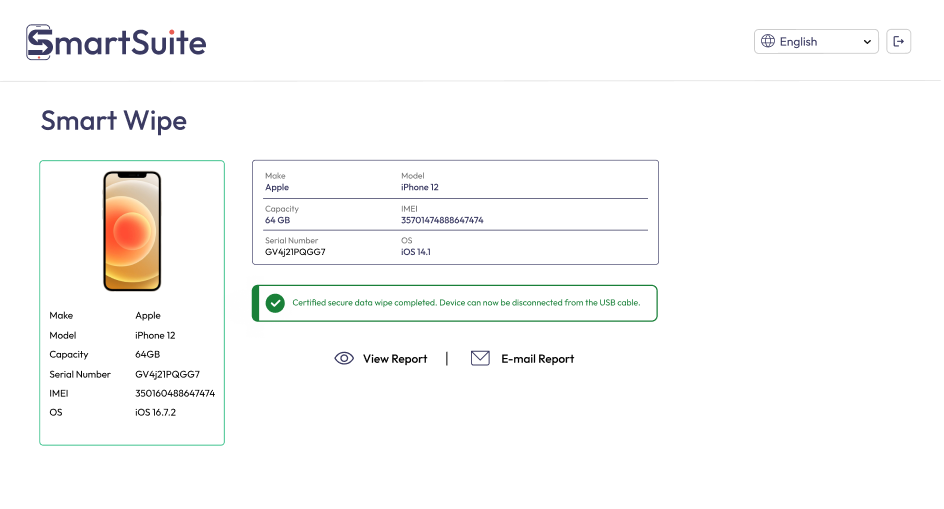
Verification helps businesses determine whether the intended erasure procedure has been completed successfully. It also makes it easier to identify devices that require additional attention before they can be approved for resale.
For example, a refurbishment company processing 500 smartphones may discover that a small number of devices experienced interrupted erasure operations. Rather than assuming every device is ready, technicians can review the results and repeat or investigate unsuccessful operations.
A reliable bulk mobile device data wipe workflow should therefore include clear completion checks and a process for handling exceptions.
Maintaining Device-Level Erasure Records
Documentation is important when businesses need to demonstrate how individual devices were processed. Maintaining records also helps managers monitor workflow performance and identify recurring operational issues.
Useful information may include:
- Device IMEI or serial number.
- Date and time of the erasure operation.
- Sanitization method used.
- Completion or failure status.
- Verification results.
- Relevant processing references.
These records create better visibility across refurbishment operations and help businesses maintain consistent internal quality-control procedures.
Integrating Data Erasure Into the Refurbishment Workflow
Data sanitization should not be treated as an isolated activity. It works best when integrated with device intake, inspection, repair, testing, and final resale preparation.
Establishing a Standardised Device Processing Sequence
A clearly defined refurbishment workflow helps ensure that every device passes through the necessary stages before being approved for resale.
A practical sequence may include:
- Receiving and registering incoming devices.
- Recording IMEI numbers and serial numbers.
- Inspecting physical condition and device functionality.
- Identifying repair or maintenance requirements.
- Performing appropriate data sanitization.
- Verifying successful erasure.
- Completing final testing and quality checks.
- Assigning a resale grade.
Integrating bulk mobile device data wipe operations into this sequence helps businesses manage information security alongside their other refurbishment responsibilities.
Coordinating Teams and Processing Locations
Large refurbishment businesses may operate multiple processing facilities or work with external service partners. Without consistent procedures, differences in how teams handle devices can create tracking problems and delays.
Centralised workflows can help standardise erasure requirements, reporting procedures, and approval criteria. Managers can use processing records to monitor progress and identify devices waiting for inspection, sanitization, or verification.
CellDe offers technology solutions that support device verification and management workflows. Businesses can explore suitable tools to improve coordination and establish more consistent device processing practices.
Choosing the Right Data Erasure Technology for Business Growth
As refurbishment operations expand, businesses need solutions that can accommodate increasing device volumes without creating unnecessary complexity. Choosing appropriate technology requires evaluating both technical capabilities and practical operational requirements.
Evaluating Scalability and Compatibility
A data erasure solution should support the types of devices a business regularly processes. Compatibility is particularly important for organisations handling different smartphone models, storage technologies, and operating system versions.
Businesses should also consider whether the solution can accommodate growing inventory volumes, support batch operations, and provide clear reporting.
Before implementation, refurbishment managers should test the technology using representative devices and confirm that its sanitization methods are appropriate for the storage configurations involved.
Improving Long-Term Operational Management
The benefits of bulk erasure extend beyond completing individual sanitization tasks. Structured workflows can help businesses understand processing times, identify recurring failures, and allocate technical resources more effectively.
CellDe supports organisations exploring technology-driven approaches to device verification and management. Combining appropriate data erasure capabilities with organised inventory tracking can help refurbishment businesses build more efficient operations as their processing requirements increase.
Conclusion
Bulk data erasure technology plays an important role in supporting large-scale device refurbishment. By automating repetitive tasks, improving verification, and maintaining device-level records, businesses can manage growing inventories more efficiently while following appropriate data sanitization procedures.
Implementing a reliable bulk mobile device data wipe process also helps refurbishment facilities prepare smartphones for resale with greater consistency and accountability. CellDe offers technology solutions that support smarter device verification and management workflows. As demand for refurbished electronics continues to grow, businesses that invest in scalable data erasure processes will be better equipped to manage device security, streamline operations, and support a more reliable resale ecosystem.