
Electrical distribution systems require transformers that can manage power demands while maintaining suitable voltage levels for connected equipment and infrastructure. Selecting the right transformer involves understanding its capacity, voltage ratings, cooling method, winding materials and operating conditions. A 167 KVA transformer is a single-phase distribution transformer designed to support overhead electrical distribution networks, particularly in residential, commercial and selected industrial applications. Understanding its technical specifications and practical uses helps engineers, electrical contractors and utility professionals make informed decisions when planning power distribution systems.
What Is a 167 KVA Transformer?
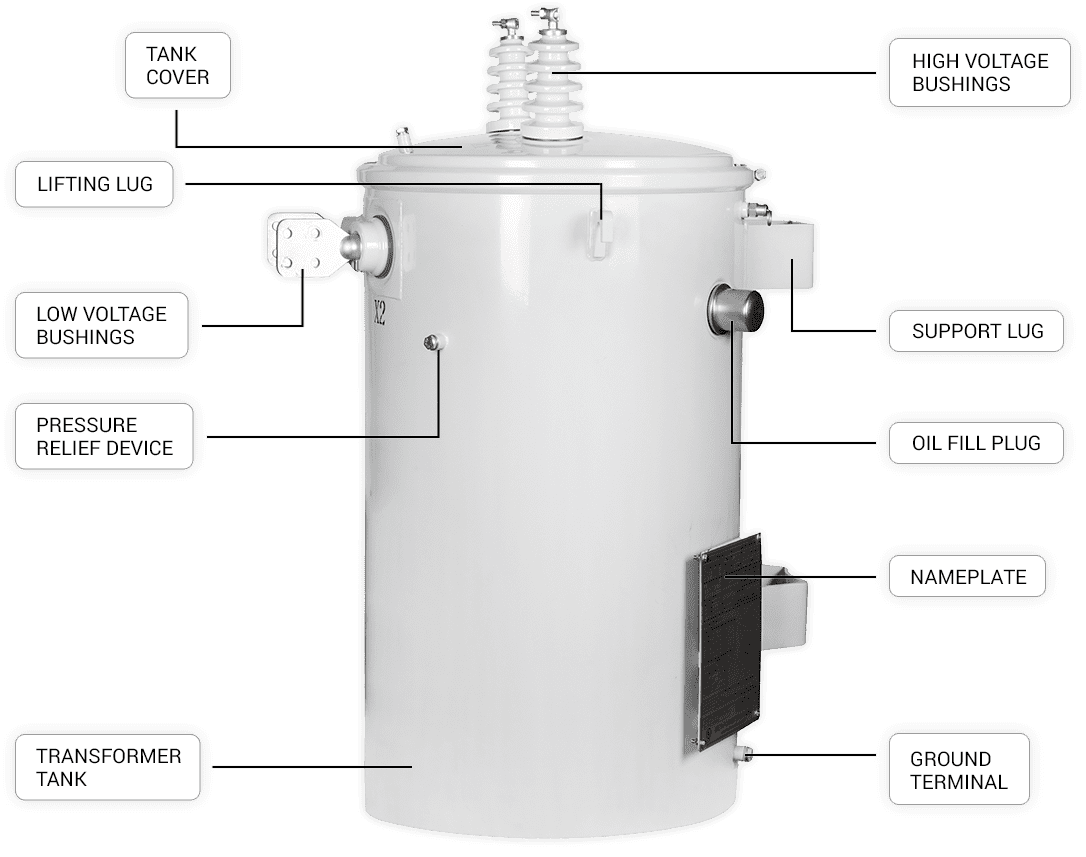
A 167 KVA transformer is an electrical distribution transformer with a rated apparent power capacity of 167 kilovolt-amperes. It operates on a single-phase configuration and is commonly designed for pole-mounted installations in overhead distribution networks.
Its primary function is to transfer electrical energy from a higher-voltage distribution circuit to a lower voltage suitable for end users. This process takes place through electromagnetic induction, allowing electricity to be distributed at different voltage levels without requiring direct electrical connections between the primary and secondary windings.
These transformers are generally used in areas where overhead power distribution is preferred because of infrastructure requirements, installation conditions and network design.
Key Technical Specifications of a 167 KVA Transformer
Understanding the technical specifications is essential when evaluating transformer suitability for a particular electrical application. Each specification influences how the equipment performs under different operating conditions.
1. Power Rating
The transformer has a rated capacity of 167 KVA. This rating represents its apparent power-handling capability rather than its actual real power output in kilowatts.
The available real power depends on the connected load’s power factor.
For example, at a power factor of 0.90:
167 KVA × 0.90 = 150.3 KW
This distinction is important when calculating electrical loads and determining whether a transformer can support the connected equipment.
2. Primary and Secondary Voltage
The primary voltage rating is 25/37.5 KV, while the secondary voltage options are 120/240/480 V.
The primary winding receives electricity from the medium-voltage distribution network, while the secondary winding supplies electricity at lower voltage levels.
The appropriate voltage configuration depends on the distribution system and the requirements of the connected electrical loads.
3. Single-Phase Configuration
A single-phase transformer uses one primary winding and one secondary winding arrangement to transfer electrical energy.
This configuration is commonly used in residential distribution networks and applications where the connected electrical demand does not require a three-phase supply.
4. Frequency Rating
The transformer operates at a rated frequency of 60 Hz. Frequency compatibility is important because the magnetic characteristics, operating performance and electrical design of a transformer depend on its intended supply frequency.
Using equipment at an unsuitable frequency can affect its operating characteristics and should be avoided unless the manufacturer specifically approves the application.
5. Impedance
The specified impedance range is 1.5% to 4.5%.
Transformer impedance represents the opposition to alternating current within the transformer. It influences voltage regulation and the magnitude of fault current that can flow during short-circuit conditions.
Engineers consider impedance when coordinating protective devices and evaluating system performance.
How Does a 167 KVA Transformer Work?
A transformer operates through electromagnetic induction between two separate windings.
The process involves several important stages:
- Primary supply: Electrical energy enters the transformer through its primary winding at the designated input voltage.
- Magnetic field generation: Alternating current flowing through the primary winding produces a changing magnetic field.
- Magnetic coupling: The transformer core provides a path for magnetic flux between the primary and secondary windings.
- Voltage transformation: The changing magnetic flux induces an electromotive force in the secondary winding.
- Power distribution: The secondary winding delivers electricity at the required output voltage to the connected distribution network.
The relationship between the primary and secondary voltages depends on the turns ratio of the windings.
This process allows electricity to be distributed at practical voltage levels while maintaining electrical isolation between the two circuits.
Important Design and Construction Features
The construction of a distribution transformer influences its efficiency, durability and ability to operate under different environmental conditions.
Grain-Oriented Silicon Steel Core
The transformer core is manufactured using grain-oriented silicon steel sheets.
This material is designed to provide favourable magnetic properties and reduce core losses during operation. Lower core losses help improve overall transformer efficiency.
The core structure also provides a controlled path for magnetic flux between the windings.
Copper and Aluminium Windings
Transformer windings can be manufactured using copper or aluminium conductors.
Both materials are commonly used in electrical transformer construction, although they have different physical and electrical properties.
- Copper windings: Offer higher electrical conductivity and allow effective current carrying capacity within a relatively compact conductor size.
- Aluminium windings: Have a lower density and can provide a lighter winding arrangement.
The selection depends on electrical design requirements, thermal performance, mechanical considerations and manufacturing specifications.
ONAN Cooling System
ONAN stands for Oil Natural Air Natural cooling.
This cooling method uses natural circulation of insulating liquid inside the transformer tank. Heat generated by the core and windings is transferred to the surrounding air through the tank surface.
The system does not depend on forced oil circulation or external cooling fans.
ONAN cooling is commonly used in oil-filled distribution transformers because of its relatively simple design and limited mechanical components.
Dielectric Fluid Options
The specified transformer fluid options include mineral oil and FR3 biodegradable fluid.
These fluids provide electrical insulation and help transfer heat away from internal components.
Mineral oil is widely used in conventional oil-filled transformers. FR3 fluid is a vegetable-based insulating liquid designed to offer biodegradable characteristics and a higher fire point than conventional mineral oil.
The selection of insulating fluid depends on safety requirements, environmental considerations and transformer design compatibility.
Common Applications of a 167 KVA Transformer
A 167 KVA transformer can support different types of electrical distribution requirements, depending on its voltage configuration and the characteristics of the connected loads.
Residential Power Distribution
Single-phase pole-mounted transformers are commonly used to supply electricity to residential properties.
They help reduce distribution voltage to levels suitable for household lighting, appliances, heating equipment and other electrical loads.
Their capacity makes them relevant to distribution networks serving groups of residential consumers, subject to load calculations and utility requirements.
Commercial Facilities
Small commercial buildings and facilities may require dependable electrical distribution for lighting, office equipment, ventilation systems and other electrical installations.
A suitable transformer helps provide the voltage required by these connected systems.
Industrial Lighting and Selected Loads
Certain industrial applications require single-phase electrical supplies for lighting, auxiliary equipment and other compatible loads.
A 167 KVA transformer may support these requirements when the total demand and electrical characteristics fall within its rated operating capacity.
Utility Distribution Networks
Electric utilities use pole-mounted distribution transformers to deliver electricity from medium-voltage overhead networks to consumers.
These installations are particularly relevant in areas where overhead distribution infrastructure is already established.
Factors to Consider When Selecting a 167 KVA Transformer
Choosing a transformer requires more than comparing its KVA rating. Several electrical and environmental factors should be evaluated before installation.
- Load requirements: Calculate the total connected load and consider expected future demand.
- Voltage compatibility: Confirm that primary and secondary voltage ratings match the distribution network.
- Load characteristics: Evaluate power factor, starting currents and variations in electrical demand.
- Cooling requirements: Consider the cooling arrangement and environmental operating conditions.
- Insulating fluid: Review the suitability of mineral oil or biodegradable fluid for the intended installation.
- Protection systems: Ensure appropriate fuses, surge arresters and other protective components are selected.
- Installation environment: Evaluate weather exposure, mounting arrangements, clearances and applicable electrical safety requirements.
Proper load assessment and engineering review help ensure that the selected transformer operates within its intended limits.
Transformer Maintenance and Testing
Regular inspection and testing help identify potential issues before they affect electrical distribution performance.
Important maintenance activities include:
- Checking the transformer tank for visible leaks or corrosion.
- Inspecting bushings, terminals and electrical connections.
- Monitoring insulating fluid levels and condition.
- Examining protective devices and accessories.
- Checking for unusual noise, overheating or abnormal operating conditions.
- Performing insulation resistance and winding resistance tests when required.
Additional electrical tests may include turns ratio testing, polarity checks, impedance measurements and dielectric testing.
Maintenance schedules should follow manufacturer recommendations, applicable electrical standards and the operating conditions of the installation.
Conclusion
A 167 KVA transformer plays an important role in single-phase overhead electrical distribution systems. Its capacity, voltage configuration, winding materials, ONAN cooling arrangement and insulating fluid options influence its suitability for different applications. Understanding these characteristics helps electrical professionals assess transformer performance, select appropriate equipment and plan reliable power distribution infrastructure. Proper installation, load management and regular maintenance are equally important for supporting safe and consistent operation throughout the transformer’s service life.