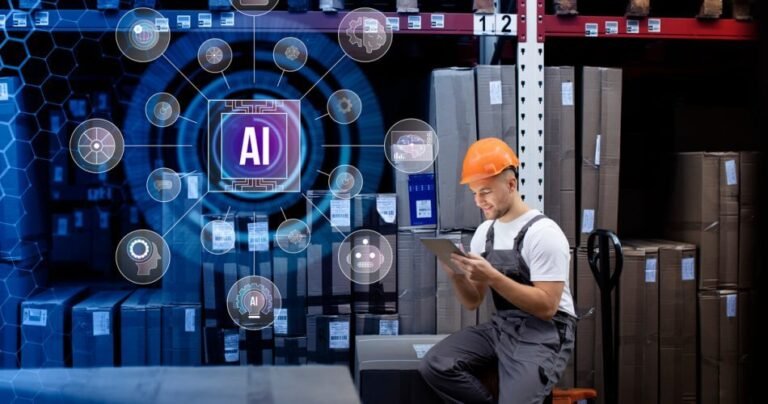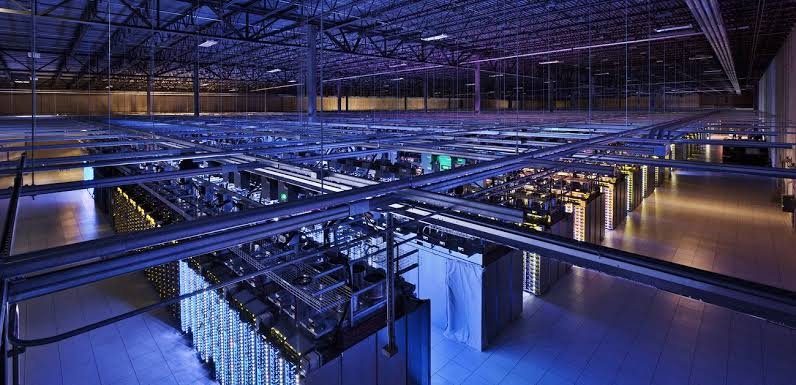

Artificial intelligence enhances data center cooling through real-time monitoring, predictive thermal modeling, and automated control. It forecasts heat generation, optimizes airflow, and tunes fans and pumps to balance efficiency with reliability. Governance and data provenance guard decision trails, while phased deployments validate performance. The approach promises uptime gains and cost reductions, yet practical implementation raises questions about data quality, model maintenance, and cross-domain integration that invite further examination.
What AI-Powered Cooling Looks Like in Modern Data Centers
AI-powered cooling in modern data centers centers on real-time monitoring, predictive modeling, and automated control that optimize thermals with minimal human intervention.
The approach emphasizes AI focused governance, ensuring transparent decision trails and accountable model stewardship.
It also confronts data integrity challenges, requiring robust validation, provenance, and checksum workflows to sustain reliable temperature, humidity, and energy-use relationships while preserving operator autonomy and system resilience.
How AI Predicts Heat, Optimizes Fan and Pump Systems
In data centers, heat prediction feeds directly into the optimization of cooling hardware, enabling proactive adjustments to fan and pump operation. AI models forecast thermal loads and dynamically recalibrate airflow and liquid cooling parameters.
This AI adoption, data centers approach, and integration, cooling analytics, reduce latency between sensing and response, improving reliability while preserving energy efficiency through precise control.
Real-World Benefits: Uptime, Energy Savings, and Total Cost of Ownership
Real-world deployments of AI-driven data center cooling yield measurable benefits in uptime, energy efficiency, and total cost of ownership (TCO).
The approach highlights uptime implications by reducing unexpected outages and chassis thermal excursions.
Energy benchmarking reveals verifiable consumption drops, enabling tighter OPEX controls and ROI clarity.
Practical observability supports decision-making, while technical gains align with freedom to optimize architectures and operations.
Getting AI Cooling Right: Deployment, Challenges, and Best Practices
Effective deployment of AI-driven cooling requires disciplined design choices, rigorous validation, and standardized operational protocols that align data-centric objectives with hardware realities. Practical deployment hinges on robust AI governance and data governance frameworks, ensuring transparent model updates, auditable decision paths, and secured data flows. Challenges include integration friction, real-time monitoring, and cross-domain coordination; best practices emphasize phased pilots, continuous validation, and documented governance.
See also: The Most Important Skills for Blockchain Developers
Frequently Asked Questions
How Is AI Data Privacy Handled in Cooling Systems?
AI systems in cooling prioritize data privacy through strict access controls and encryption, while data anonymization techniques remove identifiable attributes, enabling analysis without exposing individuals or sensitive details. Practically, this supports compliant, freedom-friendly optimization without compromising security.
Can AI Cooling Reduce Noise Pollution in Data Centers?
AI powered cooling can reduce noise pollution in data centers by optimizing fan curves and compressor duty cycles; this enables noise optimization while maintaining thermal targets, resulting in lower decibel levels without compromising reliability or performance.
What Are the Risks of Ai-Driven Cooling Failures?
The risks of AI-driven cooling failures include unanticipated anomalies and model drift, juxtaposed with robust risk mitigation and monitoring. This analytical system relies on anomaly detection, redundancy, and governance to prevent cascading outages and performance degradation.
How Does AI Affect Hardware Warranty and Vendor Support?
AI warranty implications arise from sensor integrity and firmware updates, influencing vendor support models; AI data privacy handling remains critical, while noise reduction benefits and seasonal adaptation affect equipment wear, yet AI failure risks require robust contingency planning.
Can AI Cooling Adapt to Seasonal or Regional Weather Changes?
AI cooling systems can perform seasonal adaptation, adjusting setpoints and airflow in response to regional weather changes, optimizing energy use while maintaining reliability; this analytical, practical approach grants operators greater freedom to balance performance and costs.
Conclusion
In summary, AI-powered cooling translates sensor data into actionable control, aligning airflow, fan speed, and pump operation with real-time thermal profiles. The most compelling statistic: data centers employing AI-driven cooling report up to 20–40% energy reductions in cooling workloads without sacrificing reliability. This approach enhances observability, enables proactive maintenance, and supports auditable model updates. While deployment demands disciplined pilots and governance, the resulting uptime gains and lower total cost of ownership justify the investment.