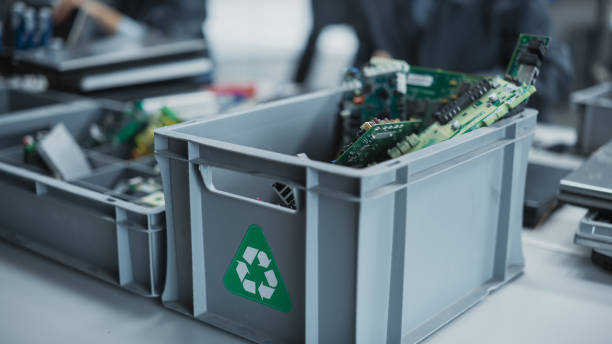

Electronic devices have become an essential part of everyday life, from computers and mobile phones to televisions, printers and office equipment. As technology continues to develop, the volume of electronic products reaching the end of their useful life also increases. Electronics recycling in New York plays an important role in modern waste management by providing organised methods for collecting, sorting, processing and recovering materials from unwanted electronic equipment. It helps manage electronic waste as a separate waste stream while supporting resource recovery, responsible disposal practices and more efficient use of materials.
Understanding Electronics Recycling in Modern Waste Management
Electronics recycling involves collecting and processing electronic equipment that is no longer required, functional or suitable for its original purpose. Instead of treating these products like ordinary household waste, recycling processes separate their different components and identify materials that can be recovered.
Electronic devices contain a combination of materials, including metals, plastics, glass, circuit boards and wiring. Each material may require a different handling and processing method.
What Makes Electronic Waste Different?
Electronic waste differs from general waste because electronic products contain multiple interconnected components. A computer, for example, may include a motherboard, storage devices, cables, a power supply, a cooling system and plastic housing.
These components cannot always be processed together. Proper sorting helps identify suitable recycling methods for different materials and improves the efficiency of the overall process.
See also: Why the Slot Law Matters When You Pick a Quebec Fishing Lodge
Common Types of Electronic Equipment
Several categories of electronic products are commonly included in recycling programmes, such as:
- Computer equipment: Desktop computers, laptops, monitors and keyboards.
- Communication devices: Mobile phones, networking equipment and telephone systems.
- Office electronics: Printers, scanners, photocopiers and related accessories.
- Entertainment equipment: Televisions, audio systems and video players.
- Electronic accessories: Chargers, cables, adapters and peripheral devices.
- IT infrastructure: Servers, storage equipment, routers and other technology components.
Understanding these categories makes it easier to organise electronic waste collection and determine appropriate processing requirements.
How Electronics Recycling in New York Supports Better Waste Management
Modern waste management focuses on handling different types of waste through suitable collection, processing and recovery systems. Electronics recycling contributes to this approach by creating a dedicated process for electronic products.
Organised Collection and Sorting
Collection is one of the first stages of electronics recycling. Households, offices, educational institutions and commercial facilities may accumulate electronic equipment that is no longer needed.
Organised collection helps bring these products into appropriate recycling channels. After collection, equipment is sorted according to its type, condition, material composition and processing requirements.
For example, computers may be separated from televisions, while cables, batteries and other components may require individual handling.
Efficient Material Separation
Once electronic equipment reaches a processing facility, different components are separated. This stage helps identify materials that can be recovered and prepared for further processing.
Common recoverable materials include:
- Copper from electrical wiring.
- Aluminium from equipment frames and components.
- Steel from metal housings.
- Glass from screens and display equipment.
- Plastics from casings and accessories.
- Precious metals from selected electronic components.
Material separation makes recycling more systematic and helps direct different resources towards suitable recovery processes.
The Importance of Recovering Valuable Materials
Electronic equipment contains several materials that can be reused in manufacturing and other industrial applications. Recovering these resources is an important part of modern waste management.
Supporting Resource Conservation
Many electronic components contain metals and other materials that require natural resources to produce. Recycling helps recover some of these materials from existing products.
For example, copper recovered from cables can enter appropriate metal recycling processes. Similarly, aluminium and steel from electronic housings can be processed for further material use.
Recovering materials from discarded electronics supports more efficient resource utilisation and reduces dependence on newly extracted raw materials.
Encouraging a Circular Economy
A circular economy focuses on keeping products and materials in use for as long as practical. Electronics recycling supports this approach by creating opportunities to recover materials from equipment that has reached the end of its useful life.
Instead of viewing old electronic products only as waste, recycling systems identify which components and materials can return to productive use.
This approach encourages better resource management across manufacturing, consumption and disposal activities.
The Role of Electronics Recycling for Businesses
Businesses regularly use computers, communication systems, office equipment and specialised electronic devices. As organisations upgrade their technology, they often generate considerable quantities of outdated equipment.
Electronics recycling in New York provides an organised approach to managing these materials as part of business waste management.
Managing Equipment During Technology Upgrades
Technology upgrades may involve replacing older computers, installing new servers, updating networking systems or introducing modern office equipment.
During these activities, businesses need to manage equipment that is no longer required.
A structured recycling process helps organisations separate reusable equipment from items intended for material recovery. It also supports better inventory management by identifying which assets are ready for reuse, refurbishment or recycling.
Supporting Responsible Asset Management
Electronic equipment is often recorded as part of an organisation’s IT asset inventory. When devices reach the end of their operational life, businesses need a clear process for handling them.
This may include:
- Identifying equipment that is no longer required.
- Recording relevant asset information.
- Separating equipment according to its condition.
- Identifying devices suitable for reuse or refurbishment.
- Sending appropriate items through recycling channels.
- Maintaining disposal and recycling records.
These steps help businesses integrate electronic waste management into their wider operational procedures.
Data Security as Part of Electronics Recycling
Many electronic devices store business, employee or customer information. Computers, laptops, servers, storage drives and mobile devices may contain sensitive digital records.
Therefore, data management is an important consideration when preparing electronic equipment for recycling.
Understanding Data-Bearing Devices
Not every electronic product stores information, but several common IT assets contain internal storage systems.
These include:
- Desktop computers and laptops.
- External hard drives and solid-state drives.
- Servers and storage arrays.
- Smartphones and tablets.
- Network-attached storage devices.
Before these products enter recycling processes, organisations should identify storage components and arrange suitable data sanitisation or destruction procedures.
Maintaining Data Disposal Records
Businesses can maintain records showing which devices were processed, when they were handled and which data disposal procedures were followed.
This documentation supports internal asset management and provides a clearer record of how information-bearing equipment was handled.
Separating data security procedures from material recovery also helps ensure that both requirements receive appropriate attention.
Environmental Benefits of Responsible Electronic Waste Processing
Electronics recycling contributes to environmental management by providing suitable routes for materials contained in electronic products.
Reducing the Volume of Waste Sent to Landfills
When electronic products enter dedicated recycling streams, recoverable materials can be separated and processed rather than being mixed with general waste.
This helps divert suitable electronic equipment and materials from landfill disposal.
Supporting Better Material Utilisation
Recovering metals, plastics and glass allows these materials to be considered for further processing and manufacturing applications.
The effectiveness of recovery depends on the equipment type, material quality and available recycling technology.
Encouraging Sustainable Consumption Practices
Recycling also encourages individuals and organisations to think more carefully about how they purchase, use, maintain and dispose of electronic products.
Extending the useful life of equipment, choosing suitable repair options and recycling devices at the appropriate time can contribute to more responsible consumption patterns.
Electronics Recycling Regulations and Waste Management Practices in New York
New York has established specific requirements for managing electronic waste. The state’s Electronic Equipment Recycling and Reuse Act provides a framework for the collection and recycling of covered electronic equipment.
The legislation includes requirements for manufacturers and establishes recycling opportunities for certain categories of electronic products.
Understanding Covered Electronic Equipment
Covered equipment under New York’s electronic waste legislation includes several commonly used products, such as computers, computer peripherals, televisions and certain electronic devices.
The specific requirements depend on the equipment category and applicable rules.
Following Appropriate Recycling Procedures
Households and businesses should understand the recycling requirements relevant to their electronic equipment.
New York’s electronic waste management framework supports designated collection and recycling arrangements, helping ensure that covered devices enter suitable processing channels.
Understanding these requirements makes it easier to organise electronic waste management and follow applicable disposal practices.
Improving Modern Waste Management Through Better Recycling Practices
Effective electronics recycling depends on planning, proper sorting and suitable processing methods. Both individuals and organisations can improve their approach by establishing clear procedures for handling unwanted electronic equipment.
Some useful practices include:
- Keeping electronic waste separate from general rubbish.
- Maintaining an inventory of outdated electronic equipment.
- Identifying devices that may be suitable for reuse.
- Separating batteries and other components when required.
- Arranging appropriate data sanitisation for storage devices.
- Using suitable electronic waste collection channels.
- Maintaining records of equipment transfers and recycling activities.
These practices make electronic waste management more organised and support better material recovery.
Conclusion
Electronics recycling in New York plays an important role in modern waste management by creating structured processes for collecting, sorting and recovering materials from unwanted electronic equipment. It supports resource conservation, responsible asset management, data security and more efficient material utilisation. As households and businesses continue to depend on electronic technology, effective recycling practices will remain an important part of managing electronic waste and supporting a more resource-conscious approach to waste management.